
Adjustable Exercise Benches
Adjustable exercise benches move between flat, incline and often decline positions, so one bench covers pressing, rows, curls and core work. Options range from folding home benches to heavy commercial models.
Check the number of back positions, the gap between seat and backrest, and the adjustment style: ladder adjustments are quick, pop-pins are compact. For dedicated setups, see flat weight benches or Olympic benches.


-
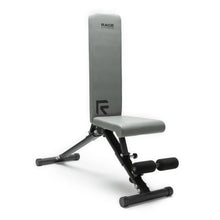
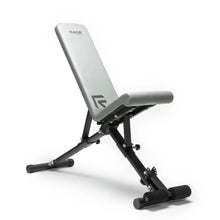 Up to 50% offSold outVendor:Rage Fitness
Rage Fitness Foldable Adjustable Weight Bench
Sale price $75.00 USD Regular price$149.99 USD -
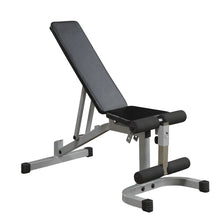
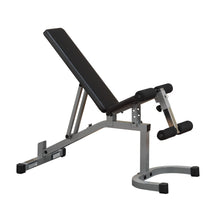 Up to 28% offVendor:Powerline by Body-Solid
Body-Solid Powerline Flat Incline Decline Bench PFID130X
24 in stockSale price $205.95 USD Regular price$285.00 USD -

 Vendor:Muscle D Fitness
Muscle D Fitness Vertical Flat to Incline Bench
19 in stockRegular price $595.00 USD -

 Vendor:Muscle D Fitness
Muscle D Fitness Sweet Flat / Incline / Decline Adjustable Bench
12 in stockRegular price $665.00 USD -
 Vendor:Muscle D Fitness
Muscle D Fitness Sweet Flat to Incline Adjustable Bench
12 in stockRegular price $555.00 USD -

 Vendor:Muscle D Fitness
Muscle D Fitness Elite Flat to Incline Bench
Color:12 in stockRegular price From $695.00 USD -


-
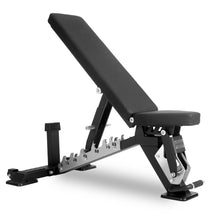
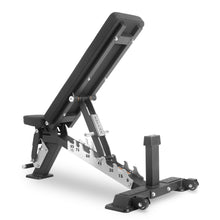 Vendor:XMARK
XMARK Black Diamond® Commercial Adjustable Weight Bench (Pre-assembled)
13 in stockRegular price $709.00 USD -
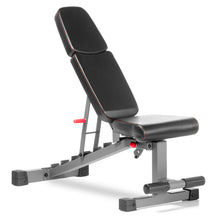
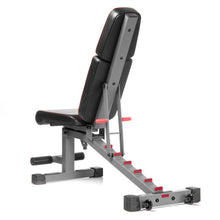 Vendor:XMARK
XMARK Power Series Adjustable Dumbbell Weight Bench
13 in stockRegular price $279.00 USD -
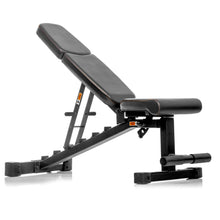
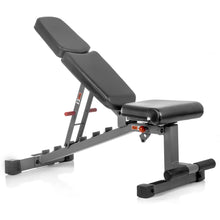 Vendor:XMARK
XMARK Ox Series Adjustable Flat, Incline, Decline Weight Bench
15 in stockRegular price $320.00 USD -
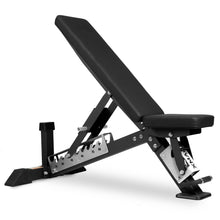
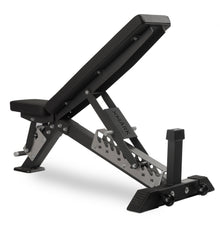 Selling FastSold outVendor:XMARK
XMARK Black Hawk Commercial Adjustable Weight Bench (Pre-assembled)
Regular price $609.00 USD -
 Up to 5% offSold out
 -
-
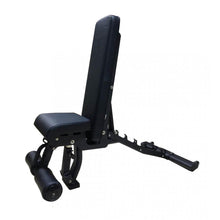
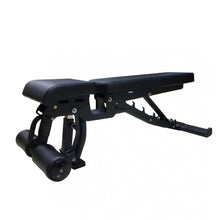 Up to 11% offVendor:Muscle D Fitness
Muscle D Fitness Flat / Incline / Decline Bench
Only 8 leftSale price $795.00 USD Regular price$895.00 USD -
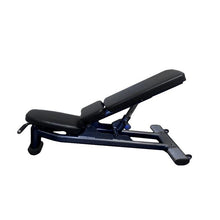
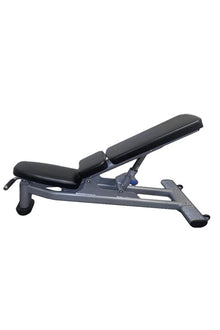 Up to 29% offVendor:Muscle D Fitness
Muscle D Fitness Deluxe Adjustable Bench
Color:21 in stockSale price From $995.00 USD Regular price$1,399.00 USD -
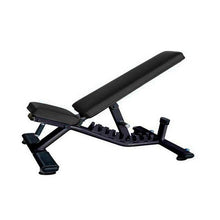
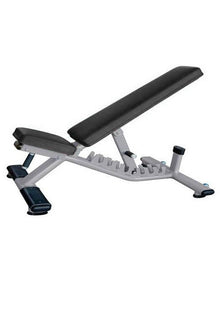 Up to 14% offVendor:Muscle D Fitness
Muscle D Fitness Flat / Incline Bench
Color:28 in stockSale price From $650.00 USD Regular price$759.00 USD -
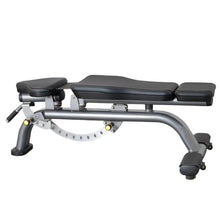
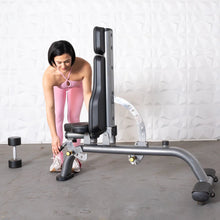 Up to 11% offVendor:Muscle D Fitness
Muscle D Fitness Elite Plus Adjustable Bench
Only 8 leftSale price $885.00 USD Regular price$995.00 USD -
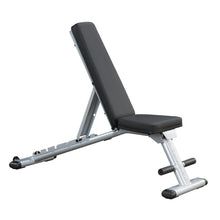
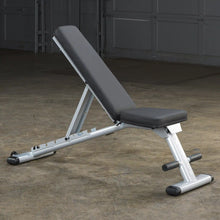 Up to 21% offVendor:Body-Solid
Body-Solid GFID225 Commercial Folding Bench
25 in stockSale price $365.00 USD Regular price$460.00 USD -
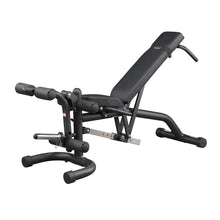
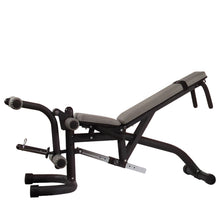 Up to 23% offVendor:Body-Solid
Body-Solid FID46 Olympic Leverage Flat Incline Decline Bench
15 in stockSale price $425.00 USD Regular price$549.00 USD -
 Up to 20% offVendor:Body-Solid
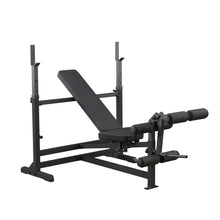
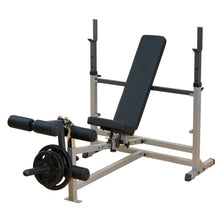
Body-Solid GDIB46LB PowerCenter Combo Bench
25 in stockSale price $510.00 USD Regular price$640.00 USD -
 Up to 21% offSold out
 -
 Up to 21% offVendor:Pro ClubLine
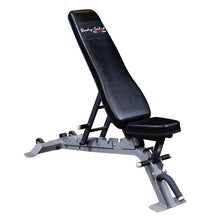
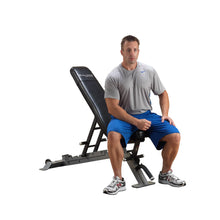
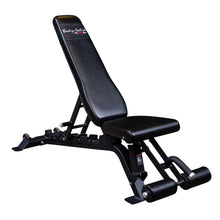
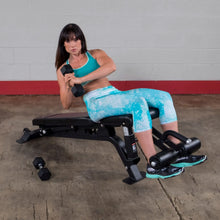
Body-Solid Pro Clubline Adjustable Bench SFID425
15 in stockSale price $575.00 USD Regular price$725.00 USD -
 Up to 21% offVendor:Pro ClubLine
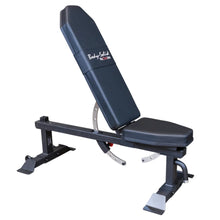
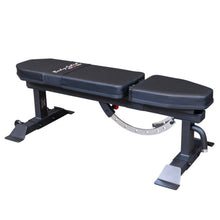
Body-Solid Pro Clubline Flat/Incline Bench SFI20
25 in stockSale price $550.00 USD Regular price$695.00 USD -
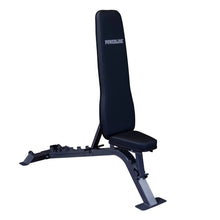
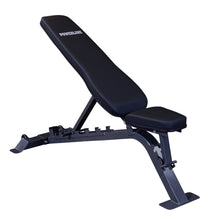 Up to 26% offVendor:Powerline by Body-Solid
Body-Solid Powerline Flat to Incline Bench PFI150
25 in stockSale price $249.95 USD Regular price$340.00 USD


Frequently asked questions
What's the difference between a 2-way, FI, and FID adjustable bench?
FI (Flat/Incline) benches adjust from flat up through incline positions (usually 0°–85°) — great for most pressing work. FID (Flat/Incline/Decline) adds negative angles for decline pressing and decline sit-ups — more versatile but usually more expensive. 2-way benches adjust between two fixed angles (usually flat and one incline). For most lifters, FID is the best all-around choice.
How many incline positions do I need?
Five to seven positions covers nearly all training needs. Look for a bench that hits at least 0° (flat), ~15°, ~30°, ~45°, ~60°, and ~85° (vertical). Some commercial benches (like the Pro ClubLine SFID425) offer 7–11 positions for fine-tuning. Beware of cheap benches with only 3 positions — you'll quickly outgrow them.
Is a ladder-adjust or pop-pin better?
Ladder-adjust (rear backrest swings up onto a notched frame) is the commercial standard — fast, strong, and nearly indestructible. Pop-pin designs use a spring-loaded pin through the frame — more compact but slower to adjust. For heavy use and multiple users, ladder-adjust is the better long-term choice.
What's the gap between the seat and backrest, and does it matter?
Most adjustable benches have a visible gap where the seat and backrest meet. Commercial-quality benches minimize this gap (under 1 inch) or use a tapered design so your lower back isn't unsupported. Bigger gaps can be uncomfortable during heavy incline pressing. The Body-Solid Pro Clubline line is known for minimizing this gap.
Should the bench have wheels?
Yes — highly recommended. Wheels on the front foot let you tip the bench and roll it out of the rack, which is huge when you use the bench for multiple exercises. Nearly all commercial adjustable benches include wheels. Some flat benches are also on casters.
Does the bench pad width matter?
Yes. Standard width (10–11 inches) is better for pressing because it lets your shoulder blades retract freely — critical for heavy bench press. Wider pads (12+ inches) feel more supportive for DB work but can restrict shoulder blade movement on the bench. Most commercial benches use a tapered pad that's narrower under the shoulders and wider under the hips — the best of both worlds.
Not sure which one fits your space?
Talk to our equipment specialists about fit, power needs and delivery before you buy, or plan it yourself with our free tools and calculators.