
Traditional Saunas
Traditional saunas heat the air with an electric or wood-burning stove for the classic high-heat, steam-on-the-rocks experience. Choose indoor cabins, outdoor barrel and cabin saunas, and compact pods.
Heater size must match cabin volume, and most electric heaters need a dedicated circuit. Browse sauna heaters, outdoor saunas and infrared saunas.


-
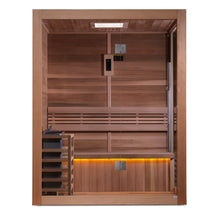
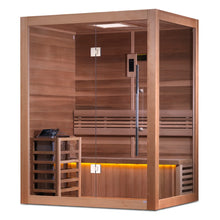 Up to 45% offVendor:Golden Designs
Golden Designs Hanko 3 Person Traditional Indoor Sauna
In stockSale price $5,999.00 USD Regular price$10,853.00 USD -

 Top SellerVendor:Dundalk Leisurecraft
Dundalk Leisurecraft CT Georgian Cabin Sauna with Porch
Low stockRegular price $8,649.00 USD -
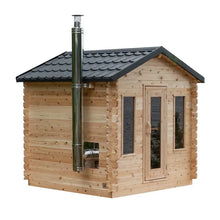
 Top SellerVendor:Dundalk Leisurecraft
Dundalk Leisurecraft CT Georgian Cabin Sauna
Low stockRegular price $7,702.00 USD -

 Top SellerVendor:Dundalk Leisurecraft
Dundalk Leisurecraft CT Georgian Cabin Sauna with Changeroom
In stockRegular price $10,185.00 USD -

 Vendor:Dundalk Leisurecraft
Dundalk Leisurecraft CT Palmer Cabin Sauna
In stockRegular price $7,232.00 USD -
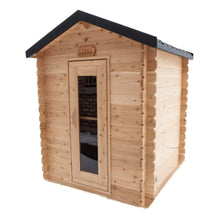
 Vendor:Dundalk Leisurecraft
Dundalk Leisurecraft CT Granby Cabin Sauna
In stockRegular price $6,192.00 USD -

 Vendor:Dundalk Leisurecraft
Dundalk Leisurecraft CT Serenity MP Barrel Sauna
Low stockRegular price $8,061.00 USD -
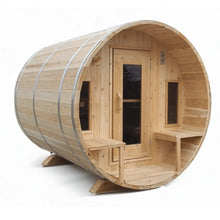
 Vendor:Dundalk Leisurecraft
Dundalk Leisurecraft CT Tranquility Barrel Sauna
In stockRegular price $6,569.00 USD -

 Vendor:Dundalk Leisurecraft
Dundalk Leisurecraft CT Tranquility MP Barrel Sauna
In stockRegular price $8,275.00 USD -

 Vendor:Dundalk Leisurecraft
Dundalk Leisurecraft CT Elation Sauna
In stockRegular price $7,031.00 USD -
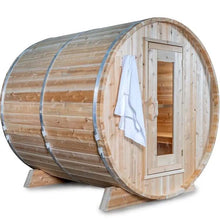
 Vendor:Dundalk Leisurecraft
Dundalk Leisurecraft CT Harmony Barrel Sauna
In stockRegular price $6,032.00 USD -
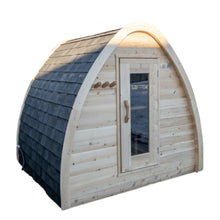
 Vendor:Dundalk Leisurecraft
Dundalk Leisurecraft CT MiniPOD Sauna
In stockRegular price $6,288.00 USD -
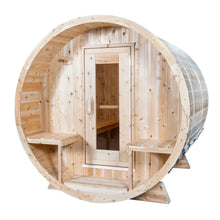
 Vendor:Dundalk Leisurecraft
Dundalk Leisurecraft CT Serenity Barrel Sauna
Low stockRegular price $6,213.00 USD -

 Vendor:Dundalk Leisurecraft
Dundalk Leisurecraft CT Element Studio Sauna (64x84)
In stockRegular price $10,651.00 USD -

 Vendor:Dundalk Leisurecraft
Dundalk Leisurecraft CT Avalon Sauna
Low stockRegular price $10,988.00 USD -

 Vendor:Dundalk Leisurecraft
Dundalk Leisurecraft CT Element Nook Sauna (54x54)
In stockRegular price $8,466.00 USD -

 Vendor:Dundalk Leisurecraft
Dundalk Leisurecraft CT Element Loft Sauna (54x74)
In stockRegular price $9,565.00 USD -
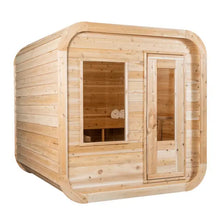
 Vendor:Dundalk Leisurecraft
Dundalk Leisurecraft CT Luna Sauna
Low stockRegular price $7,447.00 USD -

 Up to 18% offVendor:Golden Designs
Golden Designs Gargellen 5 Person Hybrid Flat Roof Outdoor Sauna
In stockSale price $8,999.00 USD Regular price$10,999.00 USD -

 Up to 20% offVendor:Golden Designs
Golden Designs Vorarlberg 5 Person Traditional Flat Roof Outdoor Sauna
In stockSale price $7,999.00 USD Regular price$9,999.00 USD -

 Up to 22% offVendor:Golden Designs
Golden Designs Arlberg 3 Person Traditional Flat Roof Outdoor Sauna
In stockSale price $6,999.00 USD Regular price$8,999.00 USD -

 Up to 20% offVendor:Golden Designs
Golden Designs Carinthia 3 Person Hybrid Flat Roof Outdoor Sauna
Low stockSale price $7,999.00 USD Regular price$9,999.00 USD -
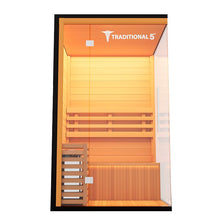
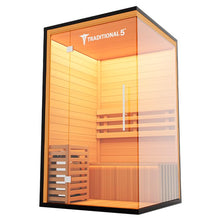 Up to 14% offVendor:Medical Saunas
Medical Traditional 5 Sauna (1 Person)
Low stockSale price $6,999.00 USD Regular price$8,099.00 USD -
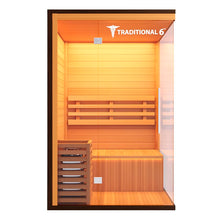
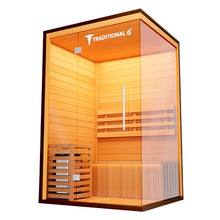 Up to 12% offVendor:Medical Saunas
Medical Traditional 6 Sauna (2 Person)
In stockSale price $8,999.00 USD Regular price$10,179.00 USD


Compare popular Traditional Saunas
Key specs side by side for our most popular models.
| Specs | ||||||||
|---|---|---|---|---|---|---|---|---|
| Capacity | 1 person | 2 person | 2–3 person | 3 person | 2 person | 6 person | 5 person | 6 person |
| Installation | Indoor | Indoor / covered patio | Indoor / covered patio | Indoor | Outdoor | Indoor / covered patio | Outdoor | Indoor |
| Best For | Solo home therapy | Couple / small home | Couple to small family | Family / small gym | Outdoor backyard couple | Large indoor gym | Outdoor large family | Commercial large group |
| Sauna Stove / Heater | 4500W steam heater | Harvia 6 kW traditional | Harvia 6 kW wall | 4500W traditional | 6.0 kW stove | Harvia 8 kW traditional | Harvia 'WALL' 8 kW | 6000W traditional |
| Temperature Range | Traditional steam | 170–190°F | 149–194°F | Up to 190°F | 170–190°F | Up to 194°F | Up to 194°F | Up to 190°F |
| Interior Wood | Canadian Hemlock | Canadian Red Cedar | Canadian Red Cedar | Canadian Hemlock | Canadian Red Cedar | Canadian Red Cedar | Canadian Hemlock | Canadian Hemlock |
| Exterior Dimensions W × D × H | 53 × 48 × 78 in | Compact 2-person cabinet | 64 × 48 × 78 in | 75 × 48 × 82 in | 71 × 59.5 × 88 in | 6-person cabinet | 99 × 73 × 97 in | 82 × 73 × 82 in |
| Assembled Weight | 430 lb | Light cabinet | 600 lb | Commercial weight | 915 lb | Commercial weight | Outdoor large | Commercial weight |
| Chromotherapy + Red Light | — | ✓ | ✓ | — | ✓ | ✓ | ✓ | — |
| Bluetooth + FM Audio | ✓ | ✓ | ✓ | ✓ | ✓ | ✓ | ✓ | ✓ |
| Double-Decker Seating | — | — | — | — | — | — | — | ✓ |
| Electrical | 240V / 30A (NEMA L6-30) | 240V / 25A stove | 240V / 25A | 240V / 30A (NEMA L6-30) | 240V / 30A stove | 240V / 40A stove | 240V / 40A stove | 240V / 30A (NEMA L6-30) |
| Warranty | 3 year parts | 5 year | 5 year | 3 year parts | 5 year | 5 year | 5 year | 3 year parts |


← Scroll to compare more →
Frequently asked questions
What makes a traditional sauna "traditional"?
Traditional (Finnish) saunas use an electric or wood-burning heater filled with rocks to heat the air to 170–200°F with 5–20% humidity. You can throw water on the rocks (called "löyly") to create steam bursts that intensify the heat. This is the original sauna experience practiced in Finland for over 2,000 years — intense, authentic, and community-oriented.
Electric heater or wood-burning?
Electric heaters are the modern standard for indoor home saunas — clean, precise temperature control, easier to install. Wood-burning stoves are the traditional choice for outdoor saunas, off-grid installations, and purists who want the authentic crackling-fire experience. Electric is easier; wood-burning is more memorable. Neither is more effective health-wise.
Do I need 240V wiring?
Almost always, yes — traditional saunas use 4–9 kW heaters that require a dedicated 240V 30–40 amp circuit professionally installed by an electrician. This is a real project and adds $500–1,500 to the total cost depending on your panel's current state. Plan electrical work before the sauna arrives. Factor this into your budget.
What about humidity — do I need a vapor barrier?
Yes. Traditional saunas produce significant steam and heat cycling, which will damage drywall and structural framing over time if not properly sealed. Professional installations use a foil vapor barrier behind the cedar or hemlock paneling. Kits from reputable brands include this; DIY installs need to research vapor barrier requirements carefully.
How often should I throw water on the rocks?
Once rocks reach operating temperature (typically 30–45 minutes after startup), you can ladle small amounts of water onto them every few minutes for steam bursts. Don't douse them — small amounts produce the best experience. Rocks should be replaced every 3–5 years as they crack from repeated heating cycles.
Not sure which one fits your space?
Talk to our equipment specialists about fit, power needs and delivery before you buy, or plan it yourself with our free tools and calculators.
Sauna Buying Guides & Advice
-

How to Add a Sauna and Cold Plunge to Your Gym
A plain guide for gym owners: the rules to check,...10 min read -

How Long Should You Stay in a Sauna? 15-20 Minutes
How long should you stay in a sauna? Cleveland Clinic...8 min read -

What to Wear in a Sauna: Do's and Don'ts (2026)
Introduction Regular sauna sessions boost circulation, support detox, and melt...2 min read -

How to Build a Wood-Burning Sauna (Step-by-Step Guide for 2026)
Build your own wood-burning sauna—no contractor needed. This step-by-step guide...9 min read


