
Suspension Trainers
Explore suspension trainers at My Fitness Outlet. Browse Full Body Suspension Kits, Suspension Training Accessories.
Compare product dimensions, materials and included components. Review the individual specifications and compatibility information before choosing an option.


-

 SELLING FASTUp to 40% off
-


-
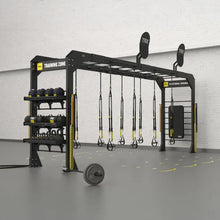
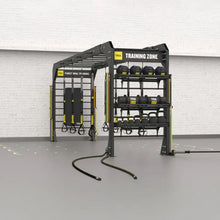 Commercial GradeUp to 23% off
-
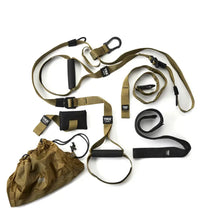
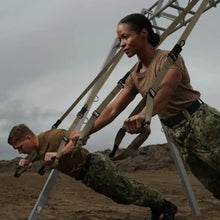
-
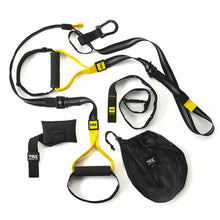
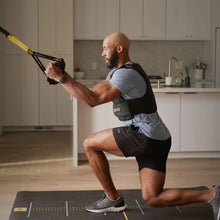
-
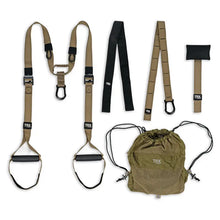
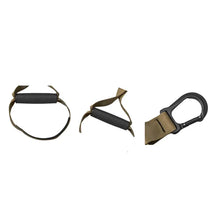
-


-
-
 Premium Build
-


-


-


-
 Certified Quality
-


-
-
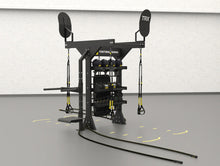 Up to 23% off
-
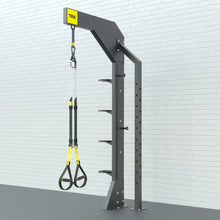 Top SellerUp to 23% offVendor:TRX
TRX Single Suspension Post
35 in stockSale price From $1,499.95 USD Regular price$1,949.94 USD -
 Up to 23% off
-

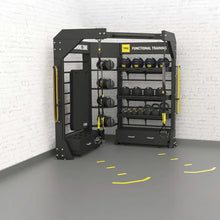
 Up to 23% offVendor:TRX
TRX Studio Line Anchored Suspension Bay
142 in stockSale price From $1,699.95 USD Regular price$3,639.94 USD -


-

-

-
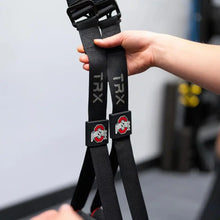 Limited Edition
-
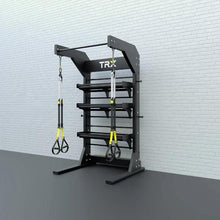
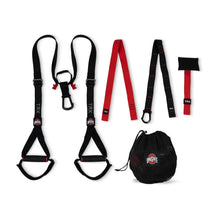
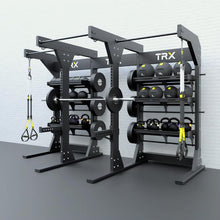 Up to 23% offVendor:TRX
TRX Freestanding Bay
190 in stockSale price From $3,299.95 USD Regular price$4,289.94 USD


Frequently asked questions
What is a suspension trainer?
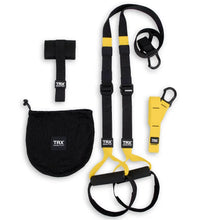
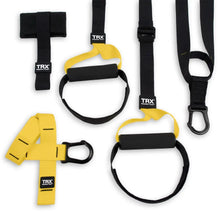
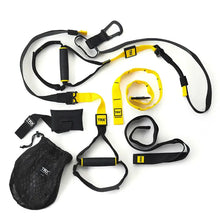
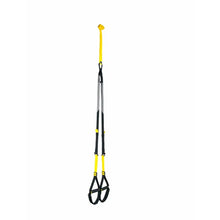
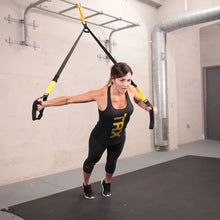
A suspension trainer is two adjustable straps with handles that anchor overhead, letting you perform bodyweight exercises at various angles. By shifting your body position, you adjust difficulty — great for rows, pushups, squats, lunges, pikes, and core work. The TRX system is the most widely-used suspension trainer in commercial fitness, recovery, and military training.
Where do I anchor a suspension trainer?
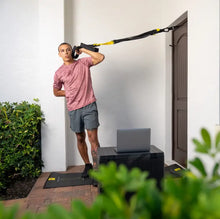
Three common anchor points: a ceiling mount (best for permanent home setups), a pull-up bar or power rack, or a door anchor like the TRX Door Hinge Anchor (great for travel or no-installation setups). Outdoors, suspension trainers work great on sturdy tree branches or playground bars.
Do I need good strength to use one?
No — suspension trainers are actually one of the best tools for beginners. The angle of your body determines the difficulty, so you can start nearly upright (very easy) and progress to more horizontal positions (very hard). The same exercise scales from rehabilitation to advanced athletic training just by adjusting foot position.
TRX vs. generic suspension trainers — what's the difference?
TRX pioneered the category and uses commercial-grade materials, patented anchoring systems, and extensive training programs. Generic suspension trainers are often 30–50% cheaper but may have weaker stitching, less comfortable handles, or imprecise length adjustment. For home use, TRX is a proven investment; for professional/commercial facilities, TRX is the standard.
What exercises can I actually do on one?
Hundreds. Upper body: rows, pushups, chest fly, tricep extensions, bicep curls, Y/T/W raises. Lower body: squats, lunges, single-leg deadlifts, pistol squats, hamstring curls. Core: pikes, mountain climbers, planks, hanging knee raises. Pretty much any bodyweight movement can be modified or scaled using a suspension trainer.
How much space do I need?
Most exercises require 6–8 ft of clearance from the anchor point in all directions. Ceiling anchor height matters — the TRX adjusts from about 6 to 9 ft of length, so ceilings of 7 ft or higher work fine. For outdoor or gym settings, high anchor points (8–10 ft) give the most flexibility for exercise selection.
Not sure which one fits your space?
Talk to our equipment specialists about fit, power needs and delivery before you buy, or plan it yourself with our free tools and calculators.
Cable Machine & Functional Training Guides
-

Cable Machine Buying Guide: Types, Space, Stack, Price
How to choose a cable machine: the four types, stack...11 min read -

TRX Home2 vs Pro4 vs Tactical: Which to Buy
Home2 is the best value for most people training at...6 min read

