Golf Devices

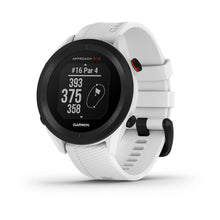
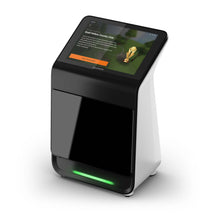
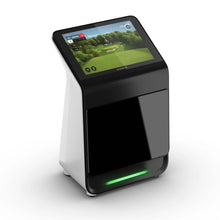
Precision for your short game and range sessions. The Garmin Approach R50 Premium Golf Launch Monitor & Simulator delivers PGA Tour-level ball and club data (ball speed, spin, launch angle, carry, smash factor), full course simulation, and swing video analysis in a portable, home-ready unit. Practice like the pros without leaving the garage.

1 product

Frequently asked questions

What kinds of golf devices do you carry?

Training and performance tools for golfers: launch monitors (measure ball speed, spin, launch angle, carry distance), GPS rangefinders and watches for on-course yardage, swing analyzers that track club data through sensors, and practice nets and mats for home or backyard use. A good launch monitor transforms how golfers practice — objective data beats guessing every time.

What does a launch monitor actually measure?

Modern consumer launch monitors capture: ball speed, carry distance, total distance, launch angle, apex height, spin rate, smash factor, and club speed (on premium units). Entry-level units capture the key distance and speed data; premium units add shot dispersion, clubface angle, and full swing analytics. Useful for dialing in club distances and diagnosing swing issues.

Do I need a big space for a golf simulator?

For full simulator use with a hitting net or screen: 10 ft wide × 15 ft deep × 9 ft ceiling minimum, with 10 ft ceilings strongly preferred. For just a launch monitor (no screen), you can use a much smaller space and hit into a net at 8–10 ft. A dedicated golf room requires serious space investment but transforms a home gym into a year-round training facility.

Launch monitor vs. swing analyzer — which should I buy first?

Launch monitors measure ball flight and are most useful for distance and dispersion tracking. Swing analyzers (sensors on the club) measure swing mechanics like tempo, club path, and face angle. For most golfers, a launch monitor is the higher-ROI first purchase — you improve by knowing what your shots actually do. Add swing analytics later if you're working on technique.

Can GPS watches replace rangefinders?

For most weekend golfers, yes — modern GPS watches provide front/middle/back pin distances plus hazard yardages for nearly every course, accurate to within 3–5 yards. Laser rangefinders are more accurate (within 1 yard) and preferred for serious competitive play where precision matters. For casual golf, a GPS watch is the simpler, multi-function choice.