
-

 New ArrivalUp to 4% offVendor:Gayo
Gayo Premium Buckwheat Meditation Cushion
55 in stockRegular price $37.90 USDSale price $37.90 USD Regular priceUnit price per$39.50 USD54% claimed
-

 New ArrivalVendor:Gayo
Gayo Sustainable Large Cork Yoga Blocks & Strap Set
38 in stockRegular price $37.49 USDSale price $37.49 USD Regular priceUnit price per -

 New ArrivalUp to 7% offVendor:Gayo
Gayo Ultimate Cork Yoga Essentials Kit
174 in stockRegular price $87.97 USDSale price $87.97 USD Regular priceUnit price per$94.50 USD -
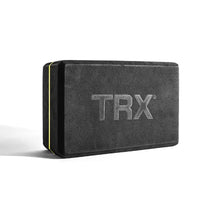
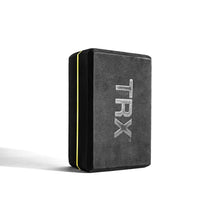 Vendor:TRX
TRX Yoga Block
56 in stockRegular price $14.95 USDSale price $14.95 USD Regular priceUnit price per


Compare Popular Yoga & Pilates Blocks
| Specs | |||||||||||||||||||||||||||||||||||||
|---|---|---|---|---|---|---|---|---|---|---|---|---|---|---|---|---|---|---|---|---|---|---|---|---|---|---|---|---|---|---|---|---|---|---|---|---|---|
| Brand | Gayo | Gayo | Gayo | TRX | |||||||||||||||||||||||||||||||||
| Category | Yoga Block | Yoga Block | Yoga Block | Yoga Block | |||||||||||||||||||||||||||||||||
| Weight | 7.8 lb | 5.3 lb | 13.0 lb | 0.3 lb | |||||||||||||||||||||||||||||||||
| Material | organic cotton; buckwheat hull | cork | cork; natural rubber | eva foam | |||||||||||||||||||||||||||||||||
| Assembly Required | ✗ | ✗ | ✗ | ✗ | |||||||||||||||||||||||||||||||||
| Shipping Time | 3-5 business days | 3-5 business days | 3-5 business days | — | |||||||||||||||||||||||||||||||||
| Warranty | — | — | — | TRX Warranty CoveragePolicy effective November 3, 2025. The terms below are calculated from the purchase date and apply to authentic TRX products sold by TRX, its affiliates, or an official distributor. Product registration is required before making a Superior Quality Warranty claim.
No Superior Quality Warranty is listed for: apparel, hats, bags, training mats, foam rollers, gloves, nutrition, and products TRX categorizes as “other.” Statutory rights may still apply depending on your jurisdiction. Important Coverage Conditions
| |||||||||||||||||||||||||||||||||
| Certifications | GOTS certified organic cotton | — | — | — |


Frequently asked questions
What are yoga blocks used for?
Blocks serve three main purposes: bringing the floor closer in poses like Triangle or Half Moon (reach the block instead of the floor), adding height for seated poses (sit on a block to reduce hip tension), and providing support in restorative poses (under the spine, hips, or knees). Every serious practitioner uses blocks regardless of flexibility level.
Foam, cork, or wood blocks?
Foam blocks: lightweight, comfortable, affordable — best for beginners and restorative practice. Cork blocks: firmer, sustainable, more stable for weight-bearing poses, slight grip advantage. Wood blocks: most stable but heavy and harder on joints if you lean on them. For most home practitioners, cork is the best balance of comfort and stability.
Do I need one block or two?
Two — most yoga sequences use blocks in pairs. Single blocks work for seated height assistance, but standing poses (Triangle, Half Moon) and balanced restorative positions require two. Yoga studios always provide pairs. If budget requires starting with one, buy a second within the first month.
What size block should I get?
Standard blocks are 9 × 6 × 4 inches — works for most users. Smaller hands may prefer narrower blocks (3.5-inch depth). Taller users or those with limited flexibility may prefer larger blocks or multiple heights. Most brands offer one standard size; if you want variety, pick a brand offering multiple sizes.
How long do yoga blocks last?
Foam blocks: 1–3 years with regular use before they start compressing and losing shape. Cork and wood blocks: essentially lifetime with proper care — they may dent slightly but maintain structural integrity for decades. Cost-per-year, cork and wood are actually cheaper despite higher upfront cost.
Recovery & Wellness Expert Guides
-

Home Gym Space Requirements: Room-by-Room Guide
Generic home gym guides say "200-400 square feet" and leave...19 min readbuying-guide -

TRX Product Guide: Home2 vs Pro4 vs Tactical (Which Should You Buy?)
Choosing between TRX Home2, Pro4, and Tactical? Home2 is best...5 min readcable -

Essential Equipment for Your Bodybuilding Gym
Building a bodybuilding gym isn’t about collecting random gear. It’s...11 min readgym-design -

Stair Climber vs. Treadmill: A No-B.S. Guide (Home & Commercial)
Not sure if you need a stair climber or a...4 min readclimbers


