
Cold Plunges
Cold plunge therapy is the fastest way to cut soreness after hard sessions, and this hub brings together everything you need to set it up: insulated cold plunge tubs, water chillers that hold a set temperature year-round, and the filters, covers, steps and chemicals that keep a tub clean. Use the sub-collections below to shop one category at a time.
Choosing a setup. A tub alone works with ice. Add a chiller when you want a fixed temperature without daily ice runs; match the chiller's horsepower to the tub volume (roughly 0.5 HP per 100 gallons for 40°F water). Commercial facilities should look at units with ozone or UV sanitation and continuous filtration. Every product page lists volume, footprint, electrical requirements and warranty.


-

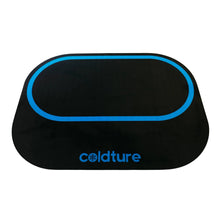
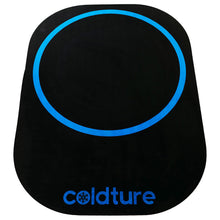
 Space-Saving
-
-

 Vendor:Dundalk Leisurecraft
Dundalk Leisurecraft The Flow Cold Plunge
In stockRegular price $7,850.00 USD -

 Vendor:Dundalk Leisurecraft
Dundalk Leisurecraft The Baltic Plunge Tub
Low stockRegular price $2,555.00 USD -

 Vendor:Dundalk Leisurecraft
Dundalk Leisurecraft The Polar Plunge Tub
Low stockRegular price $3,444.00 USD -

 New Arrival
-

 Up to 37% offVendor:Dynamic Cold Therapy
Dynamic Standard Water Chiller
In stockSale price From $3,299.00 USD Regular price$4,371.00 USD -

 New ArrivalUp to 43% offVendor:Dynamic Cold Therapy
Dynamic Premier Edition Water Chiller
In stockSale price From $3,499.00 USD Regular price$4,127.00 USD -

 Up to 46% offVendor:Dynamic Cold Therapy
Dynamic Oval Barrel Plunge
In stockSale price $2,299.00 USD Regular price$4,273.00 USD -
 Up to 44% off
-
 Up to 45% offVendor:Dynamic Cold Therapy
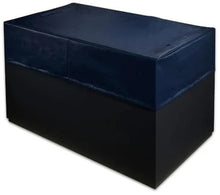
Dynamic Barrel Plunge Insulated Cover
In stockSale price $260.00 USD Regular price$475.00 USD -

 Up to 43% offVendor:Dynamic Cold Therapy
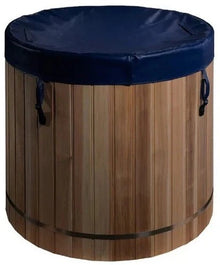
Dynamic Barrel Plunge
In stockSale price From $2,899.00 USD Regular price$4,829.00 USD -
-

 New ArrivalUp to 23% offVendor:Coldture
Coldture Xtreme Outdoor Cold Plunge
In stockSale price From $8,499.00 USD Regular price$10,999.00 USD -


-

 Top RatedUp to 13% offVendor:Coldture
Coldture Classic + Chiller Pro
In stockSale price From $899.00 USD Regular price$999.00 USD -

 Up to 13% offVendor:Coldture
Coldture Barrel + Chiller Pro
In stockSale price From $999.00 USD Regular price$3,999.00 USD -


-

 TrendingUp to 25% offVendor:Coldture
Coldture Pro Plunge
In stockSale price From $7,499.00 USD Regular price$9,999.00 USD -
-
-

 Up to 39% off
-

 New ArrivalUp to 49% offVendor:Dynamic Cold Therapy
Dynamic Cuboid Plunge
In stockSale price From $4,999.00 USD Regular price$7,584.00 USD -

 Up to 53% offVendor:Medical Breakthrough
Medical Breakthrough Frozen 1 Standard Cold Plunge
In stockSale price $9,449.00 USD Regular price$19,999.00 USD


Frequently asked questions
What's in the cold plunges category?
What are the actual benefits of cold plunging?
What temperature should I plunge at?
Are cold plunges safe?
How do I maintain cold plunge water?
Not sure which one fits your space?
Talk to our equipment specialists about fit, power needs and delivery before you buy, or plan it yourself with our free tools and calculators.
Cold Plunge Guides & Recovery Advice
-

How to Add a Sauna and Cold Plunge to Your Gym
A plain guide for gym owners: the rules to check,...10 min read -

How Long Should You Cold Plunge? Start With 1-2 Minutes
How long to stay in a cold plunge, by level...7 min read -

DIY Cold Plunge: How to Build One and What It Costs
How to build a DIY cold plunge from a stock...12 min read


