
Functional Training



-
 Vendor:TRX
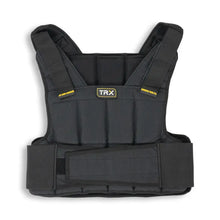
TRX HexGrip Weight Vest
54 in stockRegular price From $249.95 USDSale price From $249.95 USD Regular priceUnit price per -

 Vendor:Synergee
Synergee Resistance Power Bands
Color:86 in stockRegular price From $34.95 USDSale price From $34.95 USD Regular priceUnit price per$34.95 USD28% claimed
-

 Vendor:Synergee
Synergee Resistance Bow
148 in stockRegular price $54.95 USDSale price $54.95 USD Regular priceUnit price per$54.95 USD -

 Vendor:Synergee
Synergee Mini Bands
Color:2857 in stockRegular price From $13.95 USDSale price From $13.95 USD Regular priceUnit price per$13.95 USD -

 Sold outVendor:MVRK
MVRK Tactical Vest
Regular price From $144.99 USDSale price From $144.99 USD Regular priceUnit price per -

 Vendor:MVRK
MVRK Weighted Vest
3558 in stockRegular price From $99.99 USDSale price From $99.99 USD Regular priceUnit price per$0.00 USD -
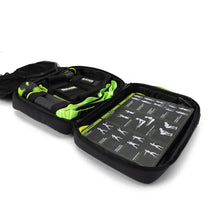 Top SellerUp to 50% offSold outVendor:Rage Fitness
Rage Fitness The Ex Kit
Color:Regular price $49.99 USDSale price $49.99 USD Regular priceUnit price per$99.99 USD -
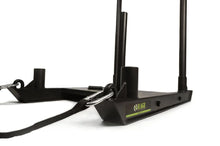
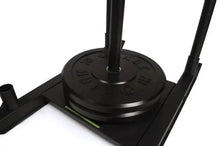 Up to 40% offSold outVendor:Rage Fitness
Rage Fitness R2 Push Sled
Regular price $149.99 USDSale price $149.99 USD Regular priceUnit price per$249.99 USD -
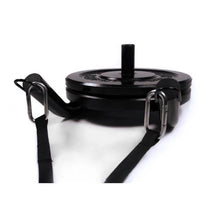
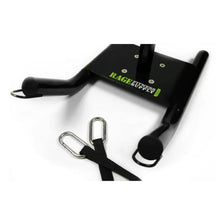 Up to 10% offSold outVendor:Rage Fitness
Rage Fitness R2 Pull Sled
Regular price $89.99 USDSale price $89.99 USD Regular priceUnit price per$99.99 USD -
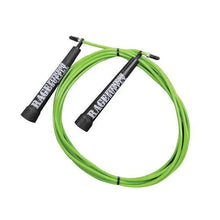
 Up to 30% offVendor:Rage Fitness
Rage Fitness R2 Training Rope
Color:6614 in stockRegular price $6.99 USDSale price $6.99 USD Regular priceUnit price per$9.99 USD -
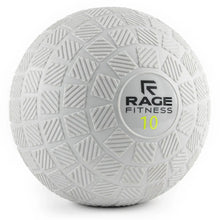
 Up to 33% offVendor:Rage Fitness
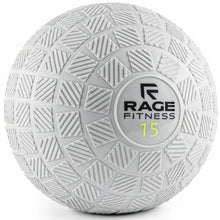
Rage Fitness Tread Slam Ball
4639 in stockRegular price From $19.99 USDSale price From $19.99 USD Regular priceUnit price per$29.99 USD -
 Vendor:Body-Solid Tools
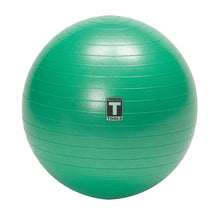
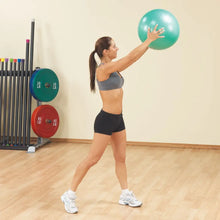
Body-Solid Tools Swiss Stability Ball
80 in stockRegular price From $19.00 USDSale price From $19.00 USD Regular priceUnit price per -

 Vendor:XMARK
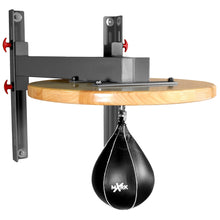
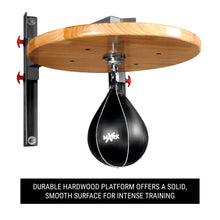
XMARK Wall Mounted Speed Bag Platform with Shackle Swivel
Color:18 in stockRegular price From $279.00 USDSale price From $279.00 USD Regular priceUnit price per -
 Vendor:XMARK
XMARK Professional Speed Bag Platform with Chain Swivel
16 in stockRegular price $339.00 USDSale price $339.00 USD Regular priceUnit price per -
 Vendor:PRx Performance
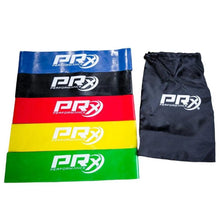
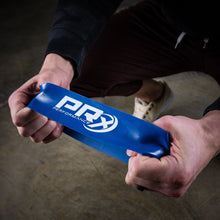
PRx Mini Band Set
Only 3 leftRegular price $20.99 USDSale price $20.99 USD Regular priceUnit price per -
 Vendor:PRx Performance
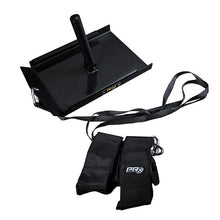
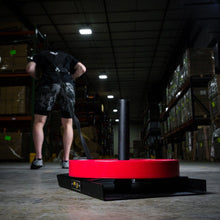
PRx Pull Sled with Harness
14 in stockRegular price $189.99 USDSale price $189.99 USD Regular priceUnit price per -
 Sold outVendor:PRx Performance
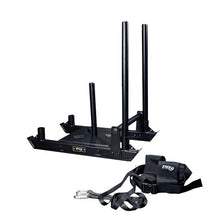
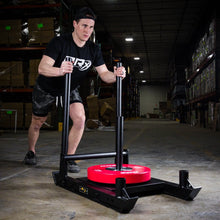
PRx Prowler Push/Pull Sled with Harness
Regular price $314.99 USDSale price $314.99 USD Regular priceUnit price per -
 Up to 22% offVendor:PRx Performance
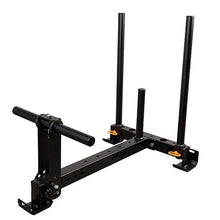
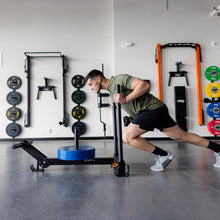
PRx Bully Sled
Only 3 leftRegular price $349.99 USDSale price $349.99 USD Regular priceUnit price per$449.99 USD97% claimed
-
 Vendor:PRx Performance
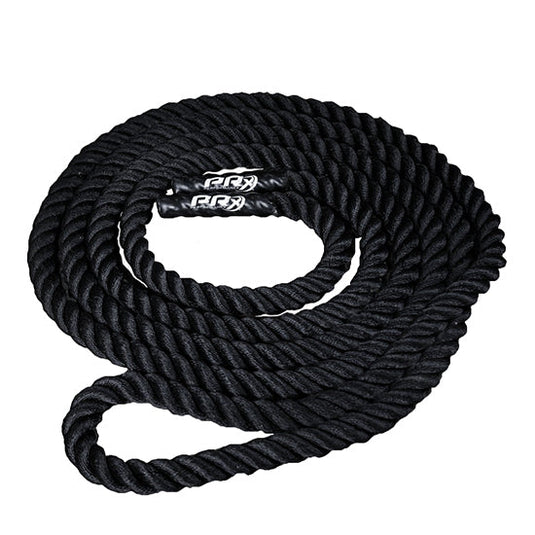
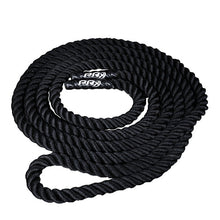
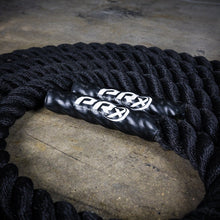
PRx Performance Battle Rope
17 in stockRegular price $104.99 USDSale price $104.99 USD Regular priceUnit price per -
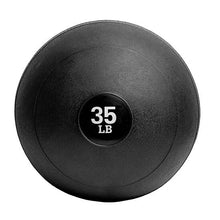 Vendor:PRx Performance
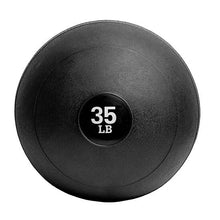
PRx Slam Balls
135 in stockRegular price From $34.99 USDSale price From $34.99 USD Regular priceUnit price per -
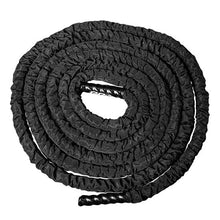
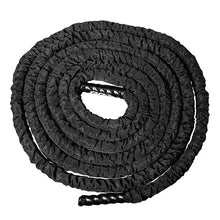 Up to 10% offSold outVendor:PRx Performance
PRx Nylon Covered Battle Rope
Regular price $89.99 USDSale price $89.99 USD Regular priceUnit price per$99.99 USD -
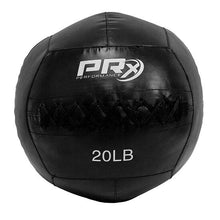
 Vendor:PRx Performance
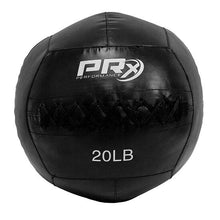
PRx Medicine Balls
440 in stockRegular price From $54.99 USDSale price From $54.99 USD Regular priceUnit price per -
 Sold outVendor:PRx Performance
PRx Battle Rope Anchor
Regular price $49.99 USDSale price $49.99 USD Regular priceUnit price per -
 Up to 17% offVendor:PRx Performance
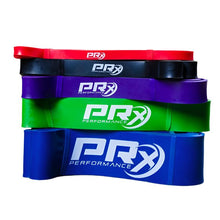
PRx Mobility Bands
Regular price From $14.99 USDSale price From $14.99 USD Regular priceUnit price per$89.96 USD


Compare Popular Functional Training
| Specs | |||||||||||||||||||||||||||||||||||||
|---|---|---|---|---|---|---|---|---|---|---|---|---|---|---|---|---|---|---|---|---|---|---|---|---|---|---|---|---|---|---|---|---|---|---|---|---|---|
| Brand | TRX | Synergee | Synergee | Synergee | |||||||||||||||||||||||||||||||||
| Category | Weighted Vest | Resistance Band | Resistance Band | Resistance Band | |||||||||||||||||||||||||||||||||
| Weight | 20.0 lb | 2.1 lb | 4.6 lb | 0.6 lb | |||||||||||||||||||||||||||||||||
| Material | polyurethane; polyester; neoprene foam; polyethylene foam; polypropylene | — | — | — | |||||||||||||||||||||||||||||||||
| Assembly Required | ✗ | ✗ | ✗ | ✗ | |||||||||||||||||||||||||||||||||
| Shipping Time | 3-5 days | — | — | — | |||||||||||||||||||||||||||||||||
| Warranty | TRX Warranty CoveragePolicy effective November 3, 2025. The terms below are calculated from the purchase date and apply to authentic TRX products sold by TRX, its affiliates, or an official distributor. Product registration is required before making a Superior Quality Warranty claim.
No Superior Quality Warranty is listed for: apparel, hats, bags, training mats, foam rollers, gloves, nutrition, and products TRX categorizes as “other.” Statutory rights may still apply depending on your jurisdiction. Important Coverage Conditions
| — | — | — |


Frequently asked questions
What's in the functional training category?
Functional training is movement-based conditioning — tools that build strength, power, and endurance through athletic movement patterns rather than isolated muscle work. This collection includes plyo boxes, medicine and slam balls, battle ropes, jump ropes, resistance bands, weight sleds, speed bags, and weighted vests.
Do I need functional training gear if I already lift weights?
Yes, if performance and athleticism matter. Traditional strength training builds force production; functional tools build power, speed, coordination, and conditioning — the qualities that translate to real-world movement and sport. A basic functional kit (plyo box, medicine ball, jump rope, bands) costs under $500 and massively expands what you can train.
What's the minimum functional training kit for a home gym?
Four items cover nearly every functional need: a plyo box (for step-ups, box jumps, Bulgarian split squats), a medicine or slam ball (10–20 lb for throws and core work), a jump rope (cardio and coordination), and a set of resistance bands (mobility, warm-ups, assisted pull-ups). Total cost: $150–300.
Are these tools better for home or commercial gyms?
Both — functional training gear is among the highest-ROI equipment for any gym. It takes minimal space, scales to all fitness levels, and serves multiple users simultaneously. Commercial facilities running group fitness, boot camps, or functional training classes rely heavily on this category.
Do I need a coach to use functional equipment safely?
For basic movements (box step-ups, med ball throws, jump rope, banded exercises), no — most are intuitive and low-risk. For advanced movements (plyometric jumps, kettlebell-style rotational work, heavy sled pushes), coaching or instructional videos are worth the investment. Poor plyometric form can cause knee and ankle injuries.
Cable Machine & Functional Training Guides
-

Home Gym Space Requirements: Room-by-Room Guide
Generic home gym guides say "200-400 square feet" and leave...19 min readbuying-guide -

TRX Product Guide: Home2 vs Pro4 vs Tactical (Which Should You Buy?)
Choosing between TRX Home2, Pro4, and Tactical? Home2 is best...5 min readcable -

Essential Equipment for Your Bodybuilding Gym
Building a bodybuilding gym isn’t about collecting random gear. It’s...11 min readgym-design -

Stair Climber vs. Treadmill: A No-B.S. Guide (Home & Commercial)
Not sure if you need a stair climber or a...4 min readclimbers


