
-
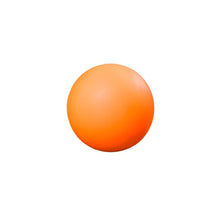
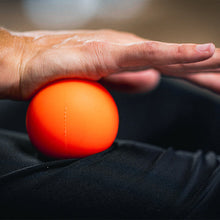 Up to 9% offVendor:PRx Performance
PRx Deep Tissue Massage Ball
195 in stockRegular price $9.99 USDSale price $9.99 USD Regular priceUnit price per$10.99 USD -
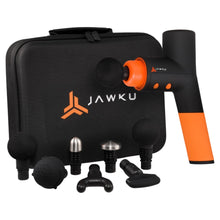
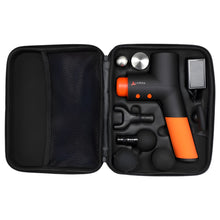 Sold outVendor:Jawku
Jawku Muscle Blaster V2 Massage Gun
Regular price $299.00 USDSale price $299.00 USD Regular priceUnit price per -
 Vendor:Jawku
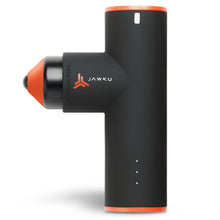
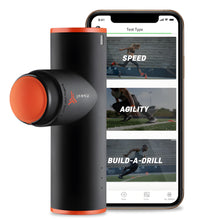
Jawku Muscle Blaster Mini Massage Gun
17 in stockRegular price $199.00 USDSale price $199.00 USD Regular priceUnit price per -
 Vendor:Power Plate
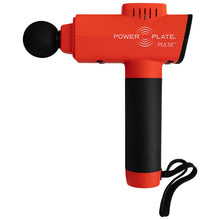
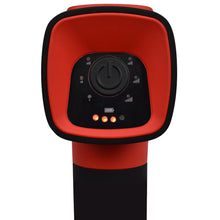
Power Plate Pulse Massage Gun
Color:36 in stockRegular price $399.00 USDSale price $399.00 USD Regular priceUnit price per -

 Vendor:Power Plate
Power Plate Mini+ Massage Gun
Color:25 in stockRegular price $285.00 USDSale price $285.00 USD Regular priceUnit price per


Compare Popular Massage Guns


Frequently asked questions
What's a percussion massager and how is it different from a regular massager?
Percussion massagers (also called massage guns) use a motorized head that rapidly punches in and out 20–60 times per second with 10–16mm of travel depth. This "percussive therapy" penetrates deeper than traditional vibration or rolling massagers, making it much more effective at releasing tight muscles and fascia. Popular brands include Theragun, Hypervolt, and many commercial alternatives.
How do I know if a massage gun is high quality?
Three specs matter: stall force (40–60 lb for serious use — how hard you can press before the motor stops), amplitude (12–16mm of travel is best — deeper penetration), and battery life (2+ hours minimum). Budget under $100 guns usually compromise on all three. The $150–400 range is the sweet spot for home use.
How often should I use a massage gun?
Before training: 30 seconds per muscle group as a warmup (quick, light pressure). After training or on rest days: 1–2 minutes per muscle group at moderate pressure. Daily use is safe for most people if you stay off bones, joints, and sensitive areas. Avoid using directly on the neck (stay on shoulders and traps instead) and never on injuries or bruises.
What areas shouldn't I use a massage gun on?
Avoid: bony areas (spine, ribs, skull), the front or sides of the neck (can damage arteries), joints and tendons directly, recent injuries, bruises, or inflamed areas, and broken skin or varicose veins. Pregnant women should consult a doctor before use. Stick to muscle bellies (the meaty parts of muscles) and avoid pressing too hard on any area.
What attachments do I actually need?
Most guns ship with 4–6 attachments, but you'll use 2–3 regularly: the ball head (general muscle use — most versatile), the fork head (spine, Achilles, and along muscle lines), and the flat head (dense muscle groups like quads and glutes). Bullet/cone heads are for trigger points but require care — easy to bruise yourself. Skip any attachment you don't use within the first month.
Is a massage gun worth it over a foam roller?
They serve different purposes. Foam rollers are better for broad surface work, warmups, and general mobility — cheap, effective, no batteries. Massage guns are better for targeted relief, deep tissue work, and specific trigger points. Most serious trainees eventually own both. If budget is tight, a foam roller and lacrosse ball covers 80% of what a massage gun does at 5% of the cost.
Recovery & Wellness Expert Guides
-

Home Gym Space Requirements: Room-by-Room Guide
Generic home gym guides say "200-400 square feet" and leave...19 min readbuying-guide -

TRX Product Guide: Home2 vs Pro4 vs Tactical (Which Should You Buy?)
Choosing between TRX Home2, Pro4, and Tactical? Home2 is best...5 min readcable -

Essential Equipment for Your Bodybuilding Gym
Building a bodybuilding gym isn’t about collecting random gear. It’s...11 min readgym-design -

Stair Climber vs. Treadmill: A No-B.S. Guide (Home & Commercial)
Not sure if you need a stair climber or a...4 min readclimbers


