
-
 Up to 30% offVendor:Rage Fitness
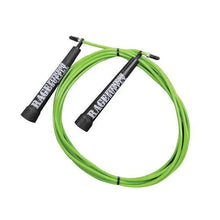
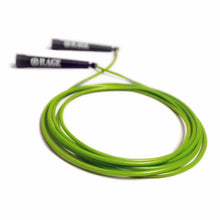
Rage Fitness R2 Training Rope
Color:6635 in stockRegular price $6.99 USDSale price $6.99 USD Regular priceUnit price per$9.99 USD
Frequently asked questions
Speed rope vs. weighted rope vs. beaded rope — which is right for me?
Speed ropes (thin cable or PVC) rotate fast and are built for cardio, double-unders, and competitive jumping — the CrossFit and boxing standard. Weighted ropes (handles or rope carry extra mass) add upper-body engagement and build shoulder endurance — great for strength-focused training. Beaded ropes provide better rhythm feedback and durability on outdoor concrete — beginner-friendly.
How do I size a jump rope correctly?
Stand on the middle of the rope with both feet together. Pull the handles straight up along your sides — handles should reach your armpits or shoulders. Too long is awkward and inefficient; too short causes tripping. Most adjustable ropes let you shorten the length — cut excess cable only after you've trained with it for a few sessions to confirm fit.
Can I double-under with any jump rope?
Technically yes, but a dedicated speed rope makes learning much easier. Light cable (under 3mm diameter) with ball-bearing handles rotates fast enough for the two revolutions per jump that double-unders require. Heavy or beaded ropes make double-unders significantly harder — beginners should learn on speed ropes first.
What's the best surface for jumping rope?
Rubber flooring, wood, or smooth concrete (indoors) are all fine. Outdoor concrete shreds cable ropes fast — use a beaded rope or a cheap PVC rope for outdoor use. Carpet is the worst surface: drags on the rope and wrecks your rhythm. For heavy training, a dedicated 4 × 4 ft rubber mat protects both your joints and the rope.
Why do my wrists and forearms burn when I jump rope?
That's normal for beginners — jump rope technique relies on small wrist rotations rather than big arm movements, and wrist endurance takes time to build. Keep your elbows close to your body, let the wrists do the work, and build up in 1–2 minute intervals. Most users see significant improvement in the first 2–3 weeks of consistent practice.
Treadmill Training Guides
-

Home Gym Space Requirements: Room-by-Room Guide
Generic home gym guides say "200-400 square feet" and leave...19 min readbuying-guide -

TRX Product Guide: Home2 vs Pro4 vs Tactical (Which Should You Buy?)
Choosing between TRX Home2, Pro4, and Tactical? Home2 is best...5 min readcable -

Essential Equipment for Your Bodybuilding Gym
Building a bodybuilding gym isn’t about collecting random gear. It’s...11 min readgym-design -

Stair Climber vs. Treadmill: A No-B.S. Guide (Home & Commercial)
Not sure if you need a stair climber or a...4 min readclimbers


