
-
 Sold outVendor:XMARK
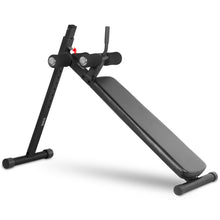
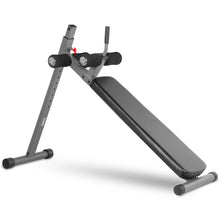
XMARK Adjustable Decline Abdominal Sit-up Bench
Color:Regular price $209.00 USDSale price $209.00 USD Regular priceUnit price per -
 Up to 25% offVendor:Muscle D Fitness
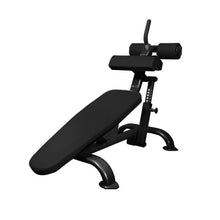
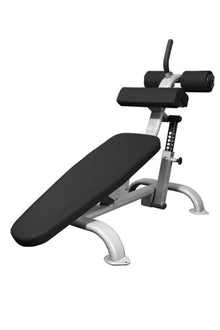
Muscle D Fitness Adjustable Decline Bench
Color:29 in stockRegular price From $850.00 USDSale price From $850.00 USD Regular priceUnit price per$1,140.00 USD75% claimed
-
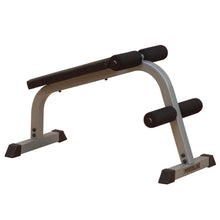
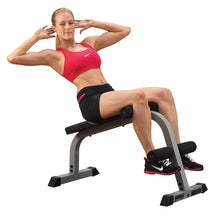 Up to 29% offVendor:Powerline by Body-Solid
Body-Solid Powerline Ab Board PAB139X
Only 5 leftRegular price $159.95 USDSale price $159.95 USD Regular priceUnit price per$225.00 USD95% claimed
-
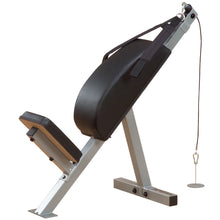
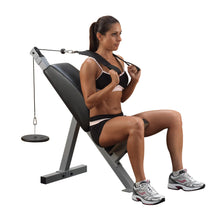 Up to 35% offVendor:Powerline by Body-Solid
Body-Solid Powerline Ab Bench PAB21X
15 in stockRegular price $139.95 USDSale price $139.95 USD Regular priceUnit price per$215.00 USD87% claimed
Compare Popular Abdominal & Sit Up Benches


Frequently asked questions
What's the difference between a flat, decline, and adjustable ab bench?
Flat ab benches are horizontal with a foot anchor — for standard sit-ups and crunches. Decline ab benches angle your head below your hips, loading the abs against gravity — much more challenging and effective. Adjustable ab benches offer multiple decline angles (typically 0°–60°) so you can progressively increase difficulty. For serious core development, decline or adjustable is the way to go.
Do I really need an ab bench if I have a GHD?
A GHD (glute-ham developer) trains the abs differently — through GHD sit-ups that use a much longer range of motion and heavier core engagement. They're complementary, not redundant. A GHD costs more and takes more space; an ab bench is cheaper and better for traditional crunch and sit-up variations.
Can I do more than ab work on an ab bench?
Yes — decline ab benches double as decline push-up stations (feet elevated on the foot pads) and some can be used for decline dumbbell press when used with dumbbells. Adjustable models with removable foot pads are especially versatile. Some also work for weighted Russian twists and seated core rotations.
How is the foot anchor secured?
Foot pads or rollers secure you at the ankles or shins during decline work — critical so you don't slide off the bench. Commercial ab benches use adjustable padded rollers that accommodate different leg lengths. Check that the foot attachment is adjustable and that the pads are thick enough (not thin, bony rollers) for comfort during longer sessions.
What's the weight capacity on an ab bench?
Ab benches don't need to hold massive loads since you're not putting a loaded barbell on them — but they still support your bodyweight plus any added weight (a dumbbell held on your chest). Look for 300–400 lb capacity minimum for home use, 500+ lb for commercial. Frame sturdiness matters more than peak load rating on an ab bench.
Pressing & Bench Training Advice
-

Home Gym Space Requirements: Room-by-Room Guide
Generic home gym guides say "200-400 square feet" and leave...19 min readbuying-guide -

TRX Product Guide: Home2 vs Pro4 vs Tactical (Which Should You Buy?)
Choosing between TRX Home2, Pro4, and Tactical? Home2 is best...5 min readcable -

Essential Equipment for Your Bodybuilding Gym
Building a bodybuilding gym isn’t about collecting random gear. It’s...11 min readgym-design -

Stair Climber vs. Treadmill: A No-B.S. Guide (Home & Commercial)
Not sure if you need a stair climber or a...4 min readclimbers


