
Exercise Equipment Mats
Rubber equipment mats protect floors from sweat, scuffs and vibration under treadmills, bikes, rowers and strength machines. Sizes are cut to fit specific machine types, with custom options for larger footprints.
Choose a mat that extends a few inches past the machine on every side, and go thicker on upper floors where vibration carries. Browse cardio machines or other strength accessories.


-
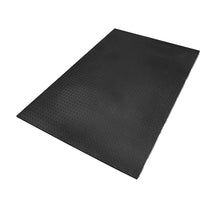
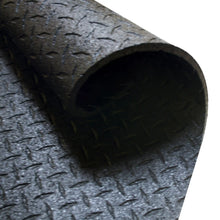 Up to 19% offVendor:Body-Solid Tools
Body-Solid Tools RF546 Rubber Equipment Mat
24 in stockSale price $104.00 USD Regular price$129.00 USD -
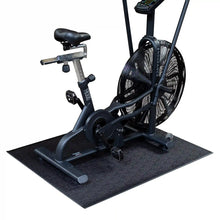
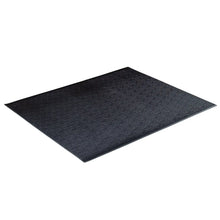 Up to 22% offVendor:Body-Solid Tools
Body-Solid Tools RF34B Rubber Bike Mat
25 in stockSale price $34.95 USD Regular price$45.00 USD -
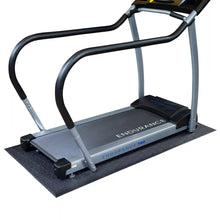
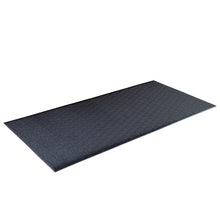 Up to 10% offVendor:Body-Solid Tools
Body-Solid Tools RF36T Rubber Treadmill Mat
25 in stockSale price $44.95 USD Regular price$49.95 USD -
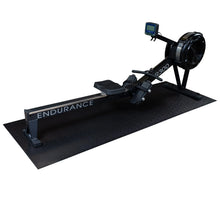
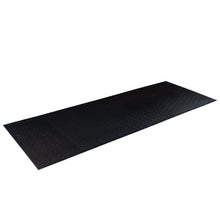 Up to 34% offVendor:Body-Solid Tools
Body-Solid Tools RF38R Rubber Rower Mat
25 in stockSale price $69.95 USD Regular price$106.00 USD
Frequently asked questions
What type of flooring do I need for a home gym?
Most home gyms need ¾-inch thick rubber mats under free weights and platforms. For cardio equipment, ½-inch rubber or high-density foam works fine. For yoga, stretching, or bodyweight-only zones, ¼–½-inch foam interlocking tiles (like Barbell Standard Interlocking Foam Mats) are more comfortable. For heavy Olympic lifting or repeated drops, build a dedicated platform with 1-inch horse stall mats.
Rubber vs. foam flooring — which is better?
Rubber (stall mats, rolled rubber, tiles) is denser, heavier, and protects against dropped weights. Ideal for strength zones. Foam is lighter, cheaper, more comfortable underfoot, and easier to move. Ideal for stretching, yoga, and light equipment. Many home gyms use both — rubber under the rack, foam in the stretching area.
Will rubber flooring smell?
New rubber mats often have a strong odor for the first 1–2 weeks, which fades with ventilation. Recycled rubber (stall mats) smells stronger initially than virgin rubber but is cheaper. To speed up outgassing, lay mats in a well-ventilated space (garage door open) for a week before use. Vulcanized rubber flooring typically has minimal odor from day one.
Do I need flooring over concrete?
Yes — always. Concrete is hard, cold, and unforgiving on your back, joints, and dropped equipment. Even a thin (¼-inch) layer of rubber makes a huge difference. For any serious lifting, ¾-inch or thicker rubber is strongly recommended. Concrete alone will crack weight plates and damage your floor over time.
How much flooring do I need for a home gym?
Cover your active training zones at minimum — typically a 8 × 8 ft or 10 × 10 ft area under and around the rack, and a smaller zone under cardio. For a full garage conversion, cover the entire floor with rolled rubber or interlocking tiles. Measure your space, then buy 10–15% extra for cutting and edge trim.
Not sure which one fits your space?
Talk to our equipment specialists about fit, power needs and delivery before you buy, or plan it yourself with our free tools and calculators.
Gym Design & Buildout Guides
-

Bodybuilding Gym Equipment: What to Buy, in What Order
The bodybuilding gym equipment to buy and in what order:...10 min read
