
Vertical Climbers
Vertical climbers deliver full-body, low-impact cardio by driving the arms and legs through a climbing motion. Options include VersaClimber models for athletes and rehab settings, plus compact home climbers.
Check ceiling height and resistance type before buying, since taller users need extra clearance at full reach. Compare stair climbers and steppers or all cardio machines.


-
-
-
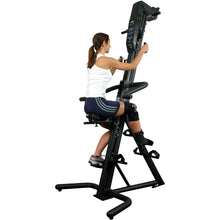
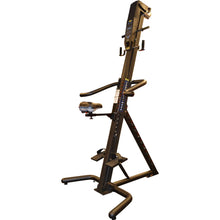 Rehab FriendlyVendor:VersaClimber
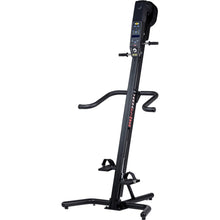
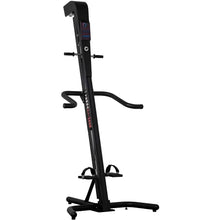
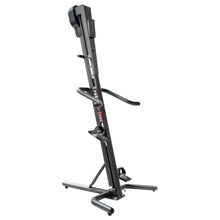
VersaClimber Magnetic Sports Rehab
36 in stockRegular price From $7,495.00 USD -
-
-
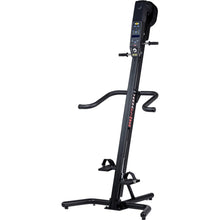
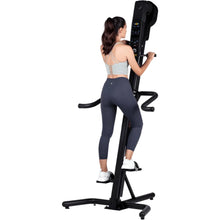
 Up to 23% offVendor:Endurance by Body-Solid
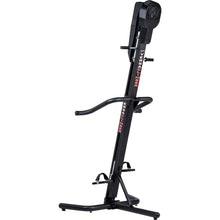
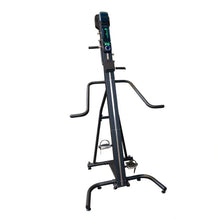
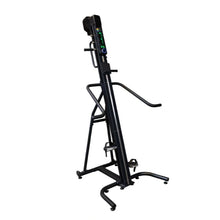
Body-Solid Endurance CL300 Cardio Climber
25 in stockSale price $1,850.00 USD Regular price$2,405.00 USD
Frequently asked questions
What is a vertical climber and how is it different from a stair climber?
A vertical climber is a compact machine with two handles and two foot pedals that move up and down in a rock-climbing-style motion — you simulate climbing a ladder while standing in place. Unlike a stair climber, it's full-body (engages the arms and back heavily) and has a much smaller footprint.
Does it actually build strength or just cardio?
Both. Vertical climbers recruit 85%+ of your muscles in a single movement — legs, glutes, core, back, shoulders, and arms all work to move your body up. Calorie burn rivals rowing and stair climbing (500–700 cal/hr), and the resistance from pulling against gravity provides a genuine strength stimulus, especially for the upper body.
Who is a vertical climber best for?
Ideal for: home gyms with limited space (footprint under 3 × 3 ft), high-intensity interval training enthusiasts, and anyone who wants serious cardio in a compact package. Less ideal for: seniors, rehab users, or anyone with balance concerns — the standing vertical posture can feel unstable compared to seated options.
How much space does one need?
Surprisingly little — most vertical climbers are 2–3 ft wide × 2–3 ft deep on the floor, with a height of 7–8 ft when in use. Ceiling height is the main constraint; standard 8 ft ceilings are the minimum, and 9 ft is more comfortable. The small floor footprint makes them ideal for apartments and home offices.
Are vertical climbers safe for my knees and back?
Generally yes — they're low-impact (no foot strike), and the climbing motion loads the knees progressively rather than abruptly. Unlike treadmills and stair climbers, there's no jarring contact. People with severe balance issues or vertigo may prefer seated alternatives, but for most users vertical climbers are among the safer high-intensity options.
Not sure which one fits your space?
Talk to our equipment specialists about fit, power needs and delivery before you buy, or plan it yourself with our free tools and calculators.
Stair Climbing & Vertical Climber Guides
-

Stair Climber vs. Treadmill: A No-B.S. Guide (Home & Commercial)
Not sure if you need a stair climber or a...4 min read -

VersaClimber Workout: A Science-Backed Routine for Total-Body Cardio
Crush your next cardio session with this science-backed, 18-minute VersaClimber...4 min read

