
Cold Plunge Accessories
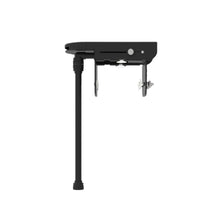
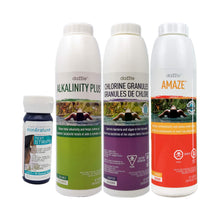
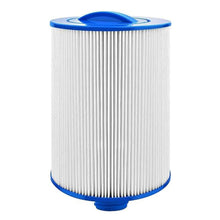
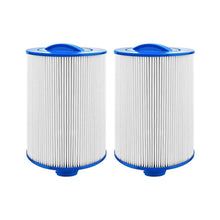
Cold plunge accessories keep your plunge clean, efficient and comfortable. Shop replacement filters, insulated covers, dry mats, hose covers, chemical starter kits and bathtub adapters.
Replace filters on schedule and keep a cover on between sessions to hold temperature and keep debris out. Browse cold plunge tubs and water chillers.


-
-
 Up to 44% off
 -
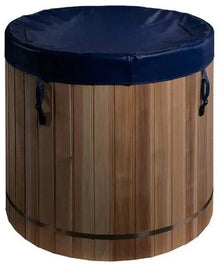 Up to 45% offVendor:Dynamic Cold Therapy
Dynamic Barrel Plunge Insulated Cover
In stockSale price $260.00 USD Regular price$475.00 USD -
-
-
Frequently asked questions
What accessories do I need for a cold plunge?
The essentials: an insulated cover (massively reduces chiller runtime and keeps debris out), entry steps or stool (safe entry/exit, especially when cold-shocked), and water treatments (test strips, ozone tablets, or chlorine for water chemistry). Nice-to-haves: waterproof thermometer, sitting bench inside the plunge, and a timer for session tracking.
Is a cold plunge cover really necessary?
Strongly recommended. An insulated cover cuts chiller runtime by 40–60%, keeps water cleaner (no dust, leaves, or debris), and helps maintain temperature during power outages. Quality covers also provide a safety barrier — especially important around children and pets. Most covers pay back the investment in reduced electric costs within a year.
How do I treat cold plunge water?
Options in order of popularity: ozone systems (integrated with most chillers, minimal chemicals needed), UV sterilization (similar, slightly less effective against biofilm), and chlorine or bromine (works but can irritate skin and requires chemistry balancing). Hydrogen peroxide is a low-residue alternative some users prefer. Test weekly with pool test strips.
How often should I drain and refill the water?
For regular home use (2–4 plungers), plan to fully drain and refill every 2–4 months. Heavy use or multiple users — every 4–6 weeks. Signs to drain sooner: visible cloudiness, unusual smell, or water chemistry that won't stabilize. Filter cartridge changes every 4–6 weeks keep the water between drains.
Do I need entry steps or can I just climb in?
For most users, steps or a stool are worth having — cold shock reduces coordination and balance, and slippery pool decks around the plunge increase fall risk. Dedicated plunge entry stools are typically weight-rated for safety and sized for easy in/out. This is one of the cheapest and most worthwhile accessories.
Not sure which one fits your space?
Talk to our equipment specialists about fit, power needs and delivery before you buy, or plan it yourself with our free tools and calculators.
Cold Plunge Guides & Recovery Advice
-

How to Add a Sauna and Cold Plunge to Your Gym
A plain guide for gym owners: the rules to check,...10 min read -

How Long Should You Cold Plunge? Start With 1-2 Minutes
How long to stay in a cold plunge, by level...7 min read -

DIY Cold Plunge: How to Build One and What It Costs
How to build a DIY cold plunge from a stock...12 min read


