
Functional Trainers
Functional trainers combine two adjustable pulley columns and weight stacks in one frame, covering presses, rows, flys, lunges and rotational work. Options include compact home trainers, half-rack combos and full commercial units.
Compare stack weight, pulley ratio and the number of height positions; a 2:1 ratio gives lighter, faster cable travel for athletic work. For a wider station, see cable crossover machines or multi-station home gyms.


-
 New ArrivalUp to 23% off
 -

 Vendor:Muscle D Fitness
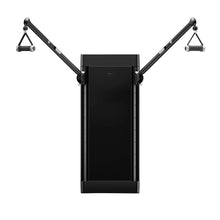
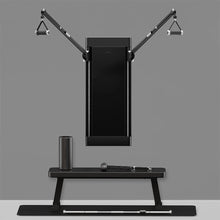
Muscle D Fitness Megatron 95" Dual Adjustable Pulley
In stockRegular price $6,665.00 USD -

 Vendor:Muscle D Fitness
Muscle D Fitness Megatron 88" Dual Adjustable Pulley
In stockRegular price $4,329.00 USD -

 Vendor:Muscle D Fitness
Muscle D Fitness Sweet Low Profile Multi-Rack
Low stockRegular price $4,225.00 USD -
 Vendor:Muscle D Fitness
Muscle D Fitness Sweet Dual Adjustable Pulley
Low stockRegular price $3,889.00 USD -
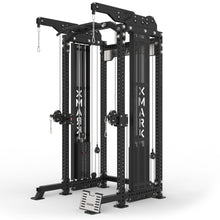
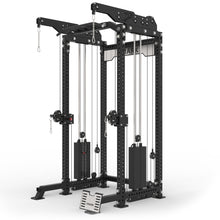
 Top SellerVendor:XMARK
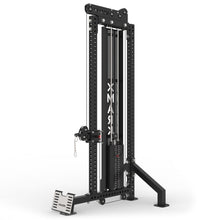
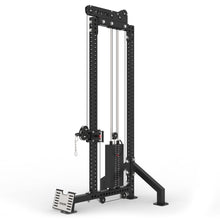
XMARK Commercial Single-Stack Functional Trainer
Low stockRegular price $2,059.00 USD -
 Vendor:XMARK
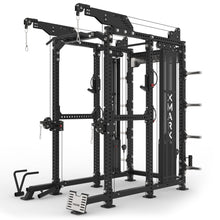
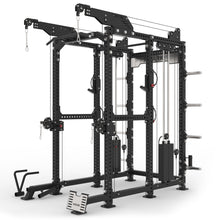
XMARK Commercial Half Rack Functional Trainer with Lat Pulldown and Low Row
In stockRegular price From $3,679.00 USD -
-
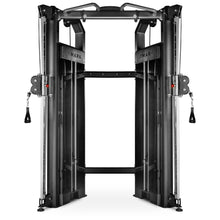
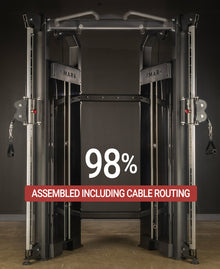 Vendor:XMARK
XMARK Functional Trainer with Dual 230 lb Weight Stacks
In stockRegular price $2,920.00 USD -
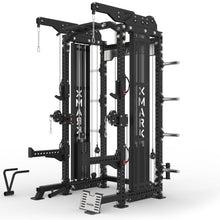
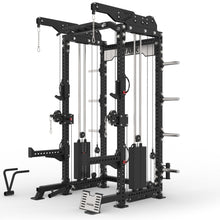 #1 in GymsVendor:XMARK
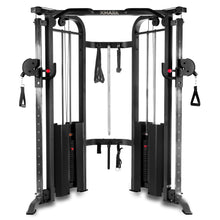
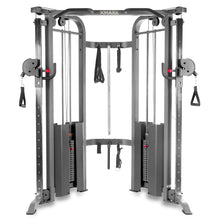
XMARK Commercial Half Rack Functional Trainer
Low stockRegular price From $4,219.00 USD -
-
 Sold outVendor:XMARK
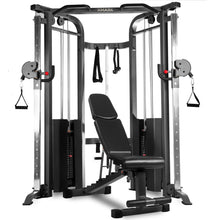
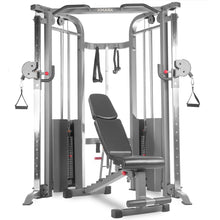
XMARK Functional Trainer Cable Machine with Adjustable Weight Bench
Regular price $2,750.00 USD -


-

 Vendor:PRx Performance
PRx Build Limitless Half Rack Functional Trainer
Regular price $3,899.99 USD -


-
 Vendor:Muscle D Fitness
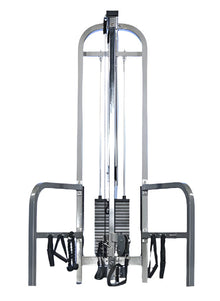
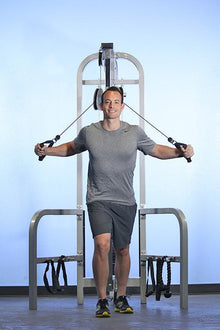
Muscle D Fitness High / Low Pulley Combo Machine
In stockRegular price $3,395.00 USD -
 Up to 13% offVendor:Muscle D Fitness
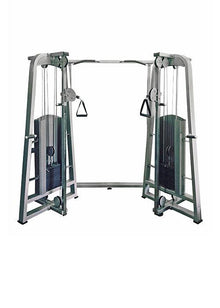
Muscle D Fitness Megatron Quad Functional Trainer
In stockSale price $3,695.00 USD Regular price$4,235.99 USD -
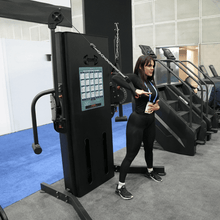 Most PopularUp to 13% offVendor:Muscle D Fitness
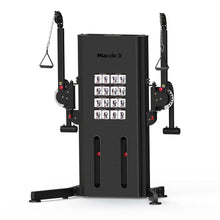
Muscle D Fitness Megatron Multi-Functional Trainer
Low stockSale price $4,995.00 USD Regular price$5,750.00 USD -
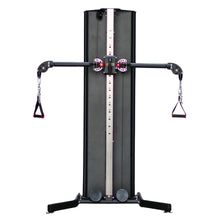
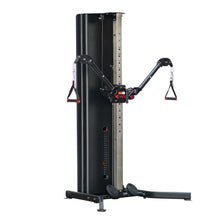 Vendor:Muscle D Fitness
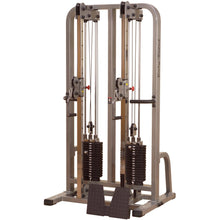
Muscle D Fitness Dual Adjustable Functional Trainer
Low stockRegular price $4,329.00 USD -
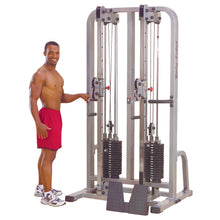 Up to 40% offVendor:Pro ClubLine
Body-Solid Pro Clubline Dual Cable Column SDC2000G2
Low stockSale price From $2,895.00 USD Regular price$4,795.00 USD -
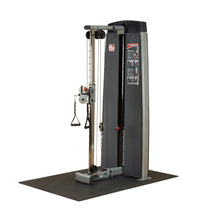
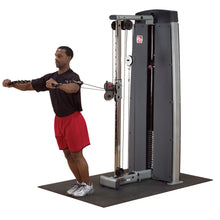 Up to 19% offVendor:Pro ClubLine
Body-Solid Pro Clubline Dual Cable Column Machine DPCCSF
Low stockSale price $3,025.00 USD Regular price$3,740.00 USD -
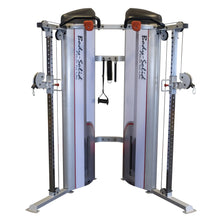
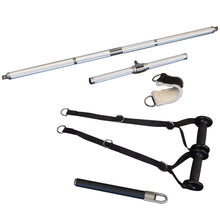 Up to 10% offVendor:Pro ClubLine
Body-Solid Pro Clubline Series 2 Functional Trainer S2FT
In stockSale price From $5,215.00 USD Regular price$5,795.00 USD -
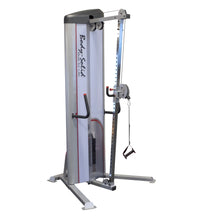
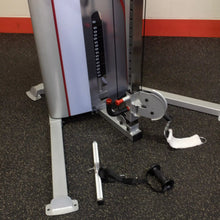 Up to 10% offVendor:Pro ClubLine
Body-Solid Pro Clubline Series 2 Cable Column S2CC
In stockSale price From $3,010.00 USD Regular price$3,295.00 USD -
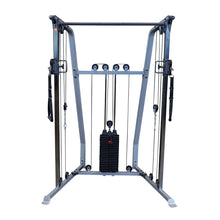
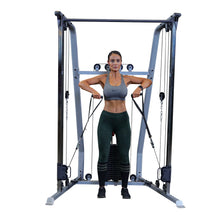 Up to 36% offVendor:Powerline by Body-Solid
Body-Solid Powerline Functional Trainer PFT50
In stockSale price $759.00 USD Regular price$1,195.00 USD


Compare popular Functional Trainers
Key specs side by side for our most popular models.
| Specs | ||||||||
|---|---|---|---|---|---|---|---|---|
| Best For | Entry home trainer | Compact commercial | Space-saving 4-user | Large commercial facility | Versatile home gym | Heavy-duty home training | Commercial single-stack | Half-rack + functional |
| Weight Stack | 210 lb | 200 lb | 2 × 120 lb | 2 × 200 lb | 2 × 200 lb | 2 × 230 lb | 220 lb | 2 × 220 lb |
| Cable Ratio | 1:1 | 2:1 iso-lateral | 1:1 | 2:1 | 2:1 | 2:1 | 2:1 | 1:1 lat / 2:1 other |
| Starting Resistance | Standard | 10 lb | Standard | Standard | 5 lb | 5 lb | 10 lb increments | 10 lb increments |
| Pulley Adjustability | 180° swivel | 180° independent | Adjustable heights | Vertical + horizontal rotate | 19 levels (3.5 in apart) | 21 vertical positions | 35 laser-cut settings | 35 height settings (2 in spacing) |
| Pull-Up Bar | ✓ | — | ✓ | — | ✓ | ✓ | — | ✓ |
| Integrated Rack | — | — | — | — | — | — | — | ✓ |
| Footprint L × W | 55 × 61 in | 50.5 × 44 in | 85 × 99 in | 97 × 141 in | 46 × 60 in | 33 × 61.5 in | 51 × 49 in | 57 × 55 in |
| Height | 84 in | 82.5 in | 87 in | 98 in | 84 in | 90 in | 101 in | 101 in |
| Assembled Weight | 329 lb | 411 lb | 750 lb | 871 lb | 868 lb | 1,003 lb | 373 lb | 1,014 lb |
| Frame | Heavy-duty steel | Heavy-gauge steel | Heavy-gauge steel | Heavy-gauge steel | Heavy-duty steel | 11-ga steel | 3×3, 11-ga steel | 3×3, 11-ga steel |
| Assembly | Full assembly | Full assembly | Full assembly | Full assembly | Full assembly | 98% preassembled | Full assembly | Full assembly |
| Warranty — Frame | 10 yr | 10 yr structural | Manufacturer | Manufacturer | Manufacturer | Manufacturer | Manufacturer | Manufacturer |


← Scroll to compare more →
Frequently asked questions
What is a functional trainer and why is it so popular?
A functional trainer is a dual-pulley cable machine with two independent, adjustable arms — you can train pressing, pulling, rotation, and unilateral movements from virtually any angle. Because cables let you train in three dimensions (not just up-and-down like free weights), a single functional trainer can replace a dozen fixed machines. They're the most versatile piece of strength equipment you can buy.
Functional trainer vs. cable crossover — what's the difference?
A functional trainer is a compact dual-column unit with pulleys that adjust through 15–20+ height positions — great for home gyms and tight commercial floors. A cable crossover is a wider frame (often 12–13 ft) with two tall side towers — better for traditional chest-fly and cable crossover patterns but requires much more floor space. For most spaces, a functional trainer is the better pick.
What exercises can I do on a functional trainer?
Nearly anything: chest press, chest fly, lat pulldown, seated row, tricep pressdowns, bicep curls, shoulder press, lateral raises, face pulls, woodchops, pallof presses, cable squats, glute kickbacks, and hundreds of core and rotational movements. Most trainers come with a handful of cable attachments (straight bars, rope, single handles), and more can be added from our cable attachments collection.
What weight stack size do I need?
Most functional trainers have 150–200 lb stacks per column. Keep in mind that a 2:1 pulley ratio means you feel about half the stack weight at the handle — so a 200 lb stack feels like ~100 lb of resistance. For most users this is plenty; advanced lifters pulling heavy rows or lat pulldowns may prefer 1:1 ratio models or should size up to the biggest stack available.
How much space do I need?
Most functional trainers have a footprint around 4–5 ft wide and 3–4 ft deep, with ceiling heights around 82–90 in. Leave 6–7 ft of clearance in front for full-range movements like squats, rows, and rotational work. Exact dimensions are listed on each product page.
Is a functional trainer better than a multi-station gym?
For versatility and modern training styles, yes — cables let you train movements that fixed-path machines can't. For raw strength output on traditional presses and pulldowns, a multi-station gym often has higher weight ceilings and fixed paths that feel more stable under heavy load. Many commercial facilities have both. For a home gym where space is at a premium, a functional trainer is usually the smarter single-machine purchase.
Not sure which one fits your space?
Talk to our equipment specialists about fit, power needs and delivery before you buy, or plan it yourself with our free tools and calculators.
Cable Machine & Functional Training Guides
-

Cable Machine Buying Guide: Types, Space, Stack, Price
How to choose a cable machine: the four types, stack...11 min read -

TRX Home2 vs Pro4 vs Tactical: Which to Buy
Home2 is the best value for most people training at...6 min read

