
Stretching Machines
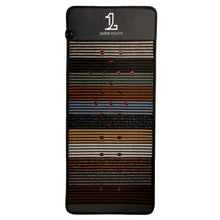
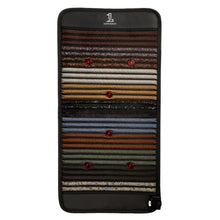
Stretching machines and inversion tables help improve flexibility, decompress the spine and support recovery. The range includes assisted stretch machines, inversion tables, pilates tables and PEMF mats.
Assisted stretch machines guide you into lower-body stretches safely, while inversion tables focus on spinal decompression. Pair them with foam rollers or browse all stretching and mobility.


-


-
-
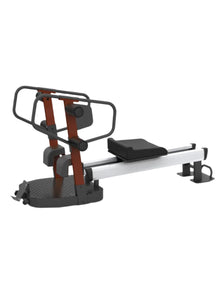
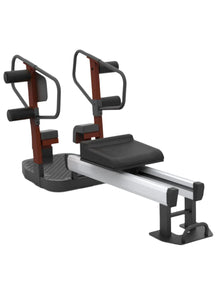 Up to 14% offVendor:Muscle D Fitness
Muscle D Fitness Super Stretch Machine
Low stockSale price $3,329.00 USD Regular price$3,885.00 USD -

 Up to 11% offVendor:Body-Solid
Body-Solid GINV50 Inversion Table
In stockSale price $460.00 USD Regular price$515.00 USD


Frequently asked questions
What do stretching machines actually do?
Stretching machines provide assisted, controlled stretching positions that are difficult or impossible to hit unassisted — most commonly leg/hip/hamstring stretching at measured angles with support for the back and pelvis. Popular in martial arts schools, gymnastics, and rehab clinics. They're not magic — the benefit comes from consistent use enabling deeper, safer stretches than floor work alone.
Who actually benefits from a stretching machine?
Best fits: martial artists working toward splits and high kicks, gymnasts and dancers requiring extreme flexibility, seniors and rehab patients needing supported stretching positions, and desk workers with chronic hip and hamstring tightness. For general fitness, a foam roller and bodyweight stretching is usually sufficient — machines are a specialist's tool.
Pro leg stretcher vs. split machine — what's the difference?
Pro leg stretchers (like the Body-Solid GFLT30 and similar) seat you upright with your legs spread outward in a controlled split position — great for groin and hamstring flexibility. Split machines focus specifically on the front-to-back split movement. Both use hand-crank or powered mechanisms to adjust the angle precisely. Pick based on which type of flexibility matters to your training.
Can I get the same results without a machine?
Mostly yes — most flexibility goals are achievable with consistent floor stretching, assisted bodyweight stretching, and PNF (contract-relax) techniques. Machines offer advantages for: precision angle measurement (for tracking progress), deeper stretches than you can safely reach alone, and supported positions that reduce compensations. For most users, the machine is a convenience rather than a necessity.
How much space does a stretching machine need?
Most machines have a footprint of 4–6 ft long × 3–4 ft wide, with overall height under 4 ft. Folding models store more compactly. Plan 2–3 ft of clearance around the machine for setup and entry. Many models fit easily in a bedroom corner or gym equipment room.
Not sure which one fits your space?
Talk to our equipment specialists about fit, power needs and delivery before you buy, or plan it yourself with our free tools and calculators.
Recovery & Wellness Expert Guides
-

Red Light Therapy at Home: Panel Sizes, Setup, Safety
How to pick, set up and safely use a red...7 min read
