
Weighted Vests
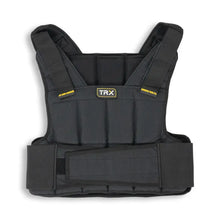
Weighted vests add load to walks, runs, bodyweight training and conditioning circuits while keeping your hands free. Choose tactical-style and adjustable vests for home and gym use.
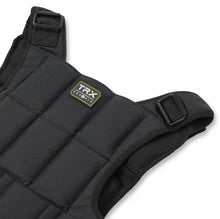
Adjustable vests let you add weight as you progress; look for a snug, even fit that won't bounce when you run. Browse more functional training gear or weight sleds.




Frequently asked questions
What's the point of a weighted vest?
Weighted vests add resistance to walking, running, pull-ups, dips, push-ups, and bodyweight circuits — making any bodyweight movement more demanding. Most popular use cases: rucking (weighted walking), increasing difficulty on bodyweight workouts, and adding load to calisthenics movements like pull-ups where holding a dumbbell is awkward.
Fixed-weight or adjustable vest — which is better?
Adjustable vests (with removable weight pockets) let you scale load from 10 to 40+ lb — the most versatile choice. Fixed-weight vests (typically 20, 40, or 50 lb) are simpler, more compact, and often better-fitting — preferred by dedicated ruckers. For a first purchase, adjustable is usually the smart choice.
How heavy should my weighted vest be?
Start at 5–10% of your bodyweight for most training. A 180 lb user should start with 10–20 lb. For rucking, 20–30 lb is a common training load. For weighted pull-ups and dips, 20–40 lb is typical. Going too heavy initially causes bad form and potential back/shoulder injury.
Can I run or do CrossFit with a weighted vest?
Yes — weighted vests are CrossFit RX standard for "Murph" and similar hero workouts (20 lb men, 14 lb women). For distance running, use a well-fitting vest with good chest/shoulder straps to prevent bouncing. The impact on knees and hips increases with load, so build up gradually.
Are weighted vests safe for kids or teens?
Generally no — weighted vests add significant stress to developing joints and spines. Teens may use very light vests (under 5% bodyweight) under supervision, but most coaches recommend bodyweight-only training until physical maturity. If you're training a young athlete, stick with unloaded calisthenics and save vest work for adulthood.
Not sure which one fits your space?
Talk to our equipment specialists about fit, power needs and delivery before you buy, or plan it yourself with our free tools and calculators.
Cable Machine & Functional Training Guides
-

Cable Machine Buying Guide: Types, Space, Stack, Price
How to choose a cable machine: the four types, stack...11 min read -

TRX Home2 vs Pro4 vs Tactical: Which to Buy
Home2 is the best value for most people training at...6 min read

