
Bars / Barbells
Stock your rack with Olympic barbells, specialty bars, and training bars from XMARK, Muscle D Fitness, Barbell Standard, PRx Performance, Synergee, and Body-Solid — covering men's 20 kg and women's 15 kg IWF training bars, power bars, EZ curl bars, trap/hex bars, safety squat bars, Swiss multi-grip bars, and technique bars. Compare shaft diameter, knurl, tensile strength, bushing vs bearing sleeves, and whip to match powerlifting, Olympic lifting, or general strength training.

-
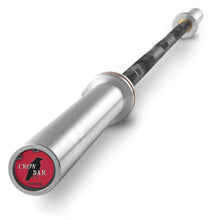
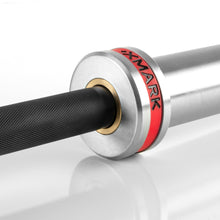 Newly LaunchedVendor:XMARK
XMARK Crowbar 7ft Olympic Weightlifting Bar
17 in stockRegular price $199.00 USDSale price $199.00 USD Regular priceUnit price per -
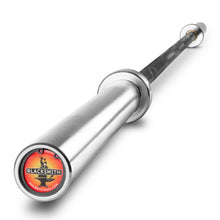
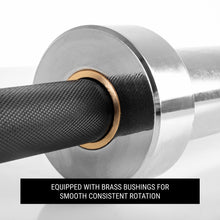 Athlete’s PickVendor:XMARK
XMARK Blacksmith 7ft Olympic Barbell
19 in stockRegular price $159.00 USDSale price $159.00 USD Regular priceUnit price per -
 Vendor:XMARK
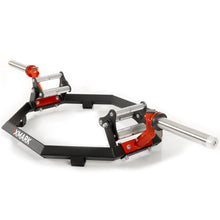
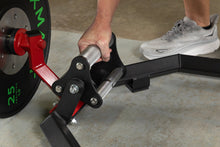
XMARK Olympic Hex Trap / Shrug Barbell
20 in stockRegular price $289.00 USDSale price $289.00 USD Regular priceUnit price per -
 Vendor:XMARK
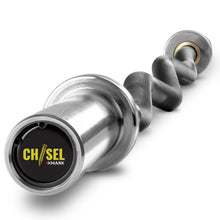
XMARK Chisel Olympic EZ Curl Barbell
19 in stockRegular price $89.00 USDSale price $89.00 USD Regular priceUnit price per -

 Up to 16% offVendor:Rage Fitness
Rage Fitness 47" EZ Curl Bar
429 in stockRegular price $54.49 USDSale price $54.49 USD Regular priceUnit price per$64.99 USD -

 Up to 40% offSold outVendor:Rage Fitness
Rage Fitness 6' Training Barbell
Regular price $71.99 USDSale price $71.99 USD Regular priceUnit price per$119.99 USD -
 Up to 13% offVendor:Muscle D Fitness
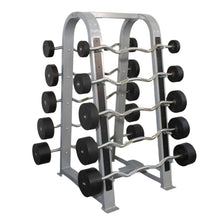
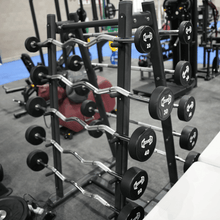
Muscle D Fitness Straight / Curl Urethane Barbell Set
26 in stockRegular price $2,859.00 USDSale price $2,859.00 USD Regular priceUnit price per$3,299.99 USD78% claimed
-
 Vendor:Muscle D Fitness
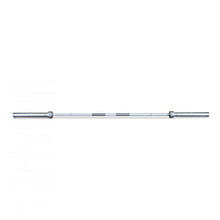
Muscle D Fitness Economic Olympic Bar
15 in stockRegular price $195.00 USDSale price $195.00 USD Regular priceUnit price per -
 Vendor:Muscle D Fitness
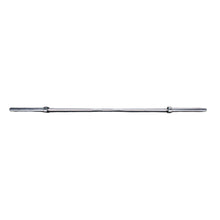
Muscle D Fitness Triple Bearing Stainless Steel Olympic Bar
15 in stockRegular price $595.00 USDSale price $595.00 USD Regular priceUnit price per -
 Up to 9% offVendor:Muscle D Fitness
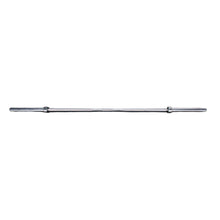
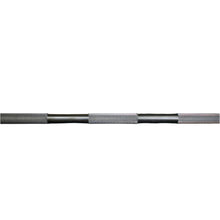
Muscle D Fitness Stainless Steel Olympic Bar
Only 7 leftRegular price $795.00 USDSale price $795.00 USD Regular priceUnit price per$875.99 USD94% claimed
-
 Up to 27% offVendor:Muscle D Fitness
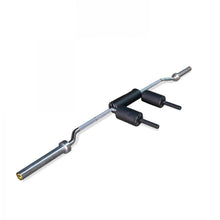
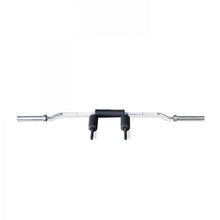
Muscle D Fitness Safety Squat Bar
Only 10 leftRegular price $345.00 USDSale price $345.00 USD Regular priceUnit price per$475.00 USD91% claimed
-
 Up to 20% offVendor:Muscle D Fitness
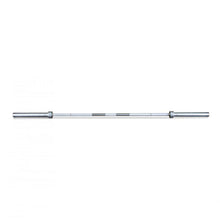
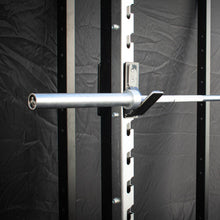
Muscle D Fitness Pro Olympic Bar With Bearings
Only 7 leftRegular price $395.00 USDSale price $395.00 USD Regular priceUnit price per$495.00 USD94% claimed
-
 Up to 47% offVendor:Muscle D Fitness
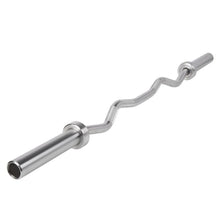
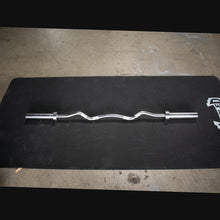
Muscle D Fitness Pro Hard Chromed Curl Bar
Only 10 leftRegular price $150.00 USDSale price $150.00 USD Regular priceUnit price per$285.00 USD91% claimed
-
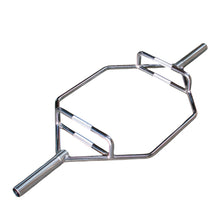
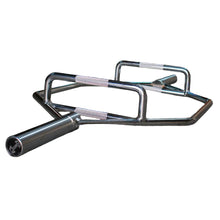 Up to 32% offVendor:Muscle D Fitness
Muscle D Fitness Trap Bar
Only 5 leftRegular price $265.00 USDSale price $265.00 USD Regular priceUnit price per$390.25 USD95% claimed
-
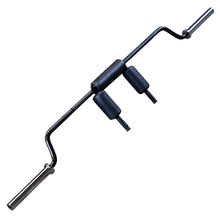
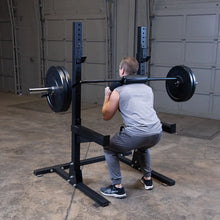 Up to 17% offVendor:Body-Solid Tools
Body-Solid Tools OBSS50B Safety Squat Bar
25 in stockRegular price $287.95 USDSale price $287.95 USD Regular priceUnit price per$349.00 USD79% claimed


Compare Popular Bars / Barbells
| Specs |
Product not found |
Product not found |
Product not found |
Product not found | ||||
|---|---|---|---|---|---|---|---|---|
| Category | Olympic Bar | Olympic Bar | Technique Bar | Olympic Bar | Power Bar | Trap / Hex Bar | EZ Curl Bar | Tricep Bar |
| Best For | CrossFit + Olympic lifting | Weightlifting programs | Form / technique practice | Olympic lifting (dual spec) | Powerlifting (squat, bench, DL) | Deadlifts, shrugs, farmers | Biceps, triceps, forearms | Tricep extensions, close-grip |
| Bar Weight | 15 / 20 kg | 15 / 20 kg | 15 lb (6.8 kg) | 45 lb (20 kg) | 44 lb (20 kg) | 7 / 20 / 25 kg | 19 lb (8.6 kg) | 25 lb (11.3 kg) |
| Bar Length | 79 / 86 in | 79 / 87 in | 69.5 in | 7 ft (84 in) | 86.6 in | 49 / 56 in | 47.2 in | 34 in |
| Shaft Diameter | 25 / 28 mm | 25 / 28 mm | 28 mm | 28 mm | 28.5 mm | Various | 28 mm | 28 mm |
| Tensile Strength | 190,000 PSI | 190,000 PSI | Aluminum | 185,000 PSI | 206,000 PSI | Heavy-duty steel | Steel | Steel |
| Max Load | 1,500 lb | 1,500 lb | 200 lb | 1,500 lb | 2,000 lb | 500–750 lb | 450 lb | 200 lb |
| Knurling | Dual IPF/IWF marks | Dual IPF/IWF marks | Light | Medium, dual IPF/IWF | Medium-light + center | None (smooth grip) | Full-length | Full-length |
| Bearings / Bushings | 10 needle bearings | Bushings | None | Bushings | Bronze bushings | Rotating sleeves | Bushings | Bushings |
| Shaft Finish | Red, Black, Pink | Multiple colors | Black / Red / Silver | Black manganese | Bright zinc | Black phosphate | Chrome / Phosphate / Cerakote | Chrome / Phosphate / Cerakote |
| Loadable Sleeve Length | 13 / 16.4 in | 13 / 16.4 in | 8 in | Olympic std | 16.25 in | 10 in | 6.25 in | 6.5 in |
| Drop Tolerant | ✓ | ✓ | — | ✓ | ✓ | ✓ | — | — |


Frequently asked questions
What barbell should I buy for a home gym?
For most home lifters, a quality 20 kg (45 lb) Olympic barbell with a 190,000+ PSI tensile strength rating is the sweet spot. Homegrown Lifting USA and Barbell Standard bars in this class handle 1,000+ lb, feature dual knurl marks for powerlifting and Olympic lifting, and cost $200–400. Commercial facilities should look at competition-grade bars with 215,000+ PSI ratings.
What's the difference between Olympic, power, and deadlift bars?
Olympic barbells (men's 20 kg, women's 15 kg) are the versatile standard — moderate whip, dual knurl marks, center knurl, bushings or bearings for smooth sleeve rotation. Power bars are stiffer (less whip) and designed for heavy squats and bench press — typically 29 mm shaft with aggressive knurl. Deadlift bars are longer and thinner (27 mm) with more whip, letting the bar flex off the floor to start the pull higher. For a single bar, go Olympic.
What about EZ curl, trap, and specialty bars?
Specialty bars round out a free-weight setup: EZ curl bars reduce wrist strain on curls and tricep extensions, trap/hex bars put you inside the bar for safer deadlifts and farmer carries, and safety squat bars, cambered bars, and log bars address specific training goals. See our full Bars collection for all options.
What do tensile strength and PSI ratings mean?
Tensile strength (measured in PSI or MPa) is how much force the bar can handle before permanent deformation. 155,000 PSI is entry-level, fine for lifters under 300 lb. 190,000 PSI is the home-gym sweet spot, rated for 1,000+ lb. 215,000+ PSI is competition-grade, used in powerlifting and Olympic federations. Higher PSI means the bar can handle heavier loads and repeated drops without bending.
Bushings vs. bearings — does it matter?
Yes, depending on how you lift. Bushings (usually bronze or composite) are cheaper, durable, and produce moderate sleeve spin — perfect for powerlifting and general training. Needle bearings produce fast, smooth sleeve rotation — essential for Olympic lifts (cleans, snatches) where the bar needs to spin freely as you catch it. Most home lifters are fine with bushings; dedicated Olympic lifters want bearings.
Can barbells rust, and how do I take care of one?
Bare steel bars can rust if left in humid environments (garages, basements). Options to prevent this: black oxide (affordable, mild rust resistance, needs light oiling), zinc (moderate resistance, common on commercial bars), chrome (good resistance, slight knurl softening), and Cerakote or stainless (best rust resistance, premium pricing). Wipe the bar down after sweaty sessions and oil the shaft every 1–3 months.
Free Weight Training Guides
-

Home Gym Space Requirements: Room-by-Room Guide
Generic home gym guides say "200-400 square feet" and leave...19 min readbuying-guide -

TRX Product Guide: Home2 vs Pro4 vs Tactical (Which Should You Buy?)
Choosing between TRX Home2, Pro4, and Tactical? Home2 is best...5 min readcable -

Essential Equipment for Your Bodybuilding Gym
Building a bodybuilding gym isn’t about collecting random gear. It’s...11 min readgym-design -

Stair Climber vs. Treadmill: A No-B.S. Guide (Home & Commercial)
Not sure if you need a stair climber or a...4 min readclimbers


