
Saunas
Explore saunas at My Fitness Outlet. Browse Infrared Saunas.
Compare dimensions, heat source and installation requirements. For heaters, kits and accessories, check compatibility with your sauna before ordering.


-
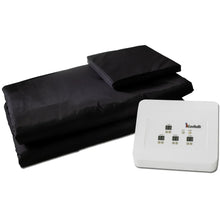
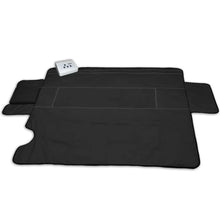 Vendor:1Love Health
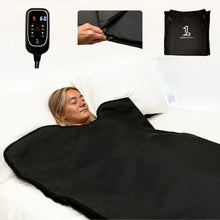
1Love Health Far Infrared Sauna Blanket
In stockRegular price From $244.00 USD -

-
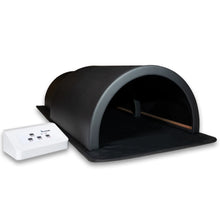
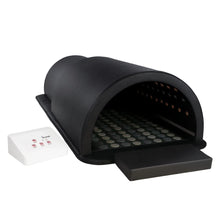 Up to 20% offVendor:1Love Health
1Love Health Far Infrared Sauna Dome
In stockSale price From $1,249.00 USD Regular price$1,699.00 USD -
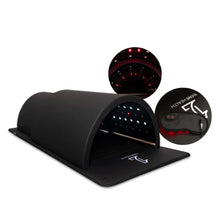
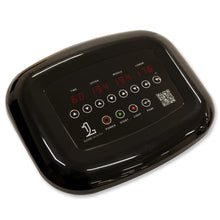 Selling Fast!Up to 4% offVendor:1Love Health
1Love Health Far Infrared Sauna Dome Ultimate (Upgraded)
In stockSale price $2,499.00 USD Regular price$2,599.00 USD -
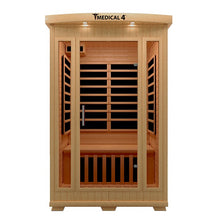
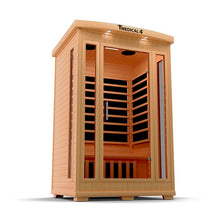 Up to 10% offVendor:Medical Saunas
Medical 4 Infrared Sauna (2 Person)
In stockSale price $5,999.00 USD Regular price$6,679.00 USD -
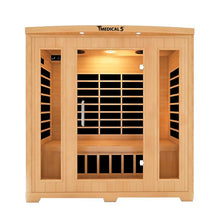
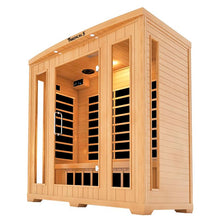 Up to 13% offVendor:Medical Saunas
Medical 5 Infrared Sauna (3 Person)
Low stockSale price $7,999.00 USD Regular price$9,179.00 USD -
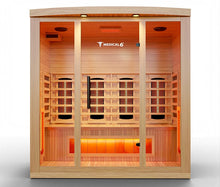
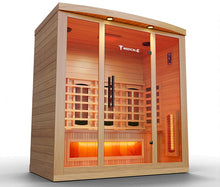 Up to 8% offVendor:Medical Saunas
Medical 6 Infrared Sauna (4 Person)
Low stockSale price $9,699.00 USD Regular price$10,499.00 USD -
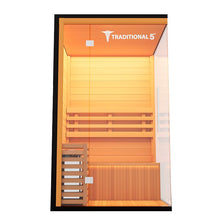
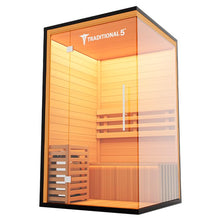 Up to 14% offVendor:Medical Saunas
Medical Traditional 5 Sauna (1 Person)
Low stockSale price $6,999.00 USD Regular price$8,099.00 USD -
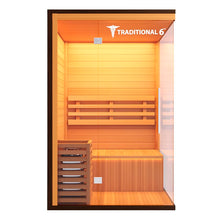
 Up to 12% offVendor:Medical Saunas
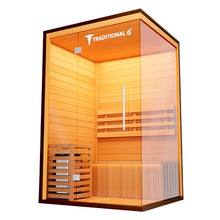
Medical Traditional 6 Sauna (2 Person)
In stockSale price $8,999.00 USD Regular price$10,179.00 USD -
 Up to 14% offVendor:Medical Saunas
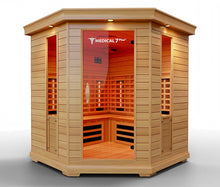
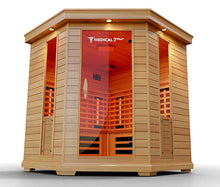
Medical 7 Plus Infrared Sauna (6 Person)
In stockSale price $12,499.00 USD Regular price$14,499.00 USD -
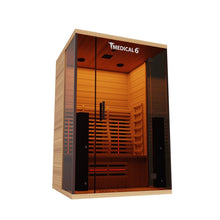 Up to 8% offVendor:Medical Saunas
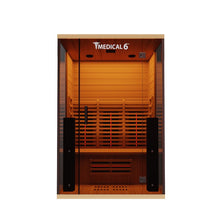
Medical 6 Ultra Full Spectrum Infrared Sauna (2 Person)
Low stockSale price $8,999.00 USD Regular price$9,800.00 USD -
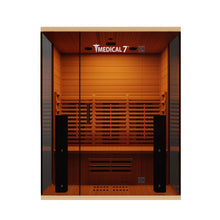
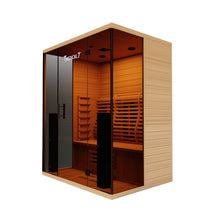 Up to 4% offVendor:Medical Saunas
Medical 7 Ultra Full Spectrum Infrared Sauna (3 Person)
In stockSale price $11,749.00 USD Regular price$12,250.00 USD -
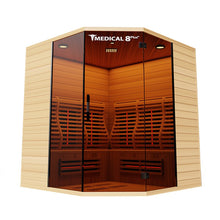
 TrendingUp to 5% offVendor:Medical Saunas
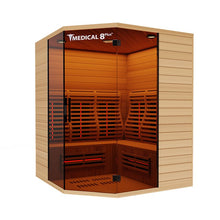
Medical 8 Plus v2 Ultra Full Spectrum Infrared Sauna (6 Person)
In stockSale price $15,649.00 USD Regular price$16,500.00 USD -
 Up to 13% offVendor:Medical Saunas
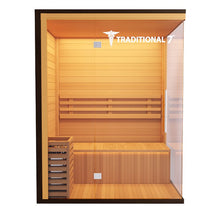
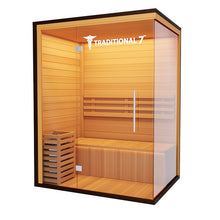
Medical Traditional 7 Sauna (3 Person)
In stockSale price $10,899.00 USD Regular price$12,599.00 USD -
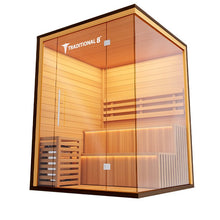 Up to 13% offVendor:Medical Saunas
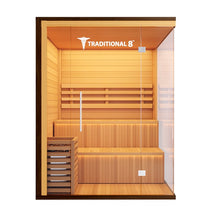
Medical Traditional 8 Plus Sauna (5 Person)
Low stockSale price $12,799.00 USD Regular price$14,779.00 USD -
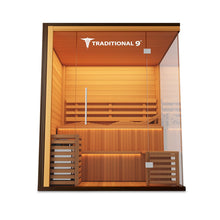
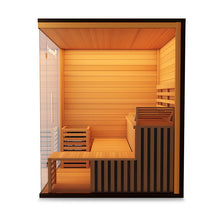 Up to 18% offVendor:Medical Saunas
Medical Traditional 9 Plus Sauna (6 Person)
In stockSale price $15,399.00 USD Regular price$18,719.00 USD -
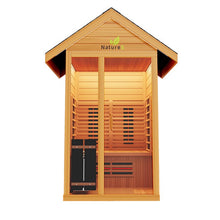
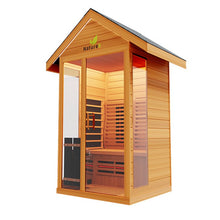 Up to 11% offVendor:Medical Saunas
Medical Nature 5 Outdoor Infrared Sauna (2 Person)
In stockSale price $7,599.00 USD Regular price$8,500.00 USD -
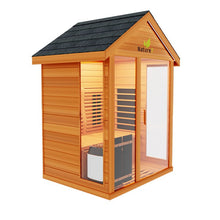
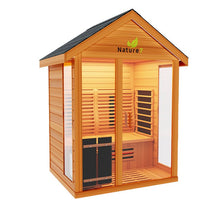 Up to 10% offVendor:Medical Saunas
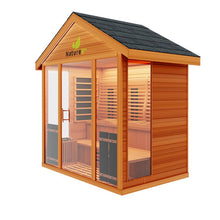
Medical Nature 7 Hybrid Sauna (4 Person)
In stockSale price $12,600.00 USD Regular price$13,999.00 USD -
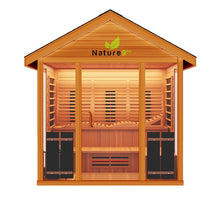
 Up to 15% offVendor:Medical Saunas
Medical Nature 9 Plus Hybrid Sauna (6 Person)
In stockSale price $18,599.00 USD Regular price$21,789.00 USD -
 Up to 13% offVendor:Medical Saunas
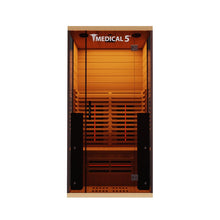
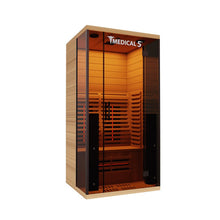
Medical 5 Ultra Full Spectrum Infrared Sauna (1 Person)
Low stockSale price $6,999.00 USD Regular price$8,000.00 USD -
 Up to 14% offVendor:Medical Saunas
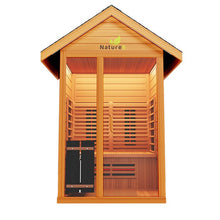
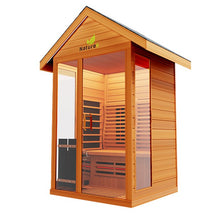
Medical Nature 6 Outdoor Infrared Sauna (3 Person)
Low stockSale price $9,599.00 USD Regular price$11,200.00 USD -
 Up to 20% offVendor:Medical Saunas
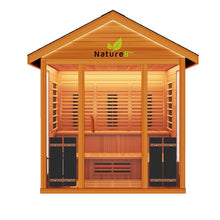
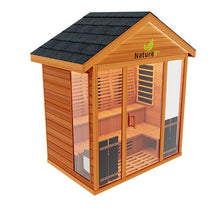
Medical Nature 8 Plus Hybrid Sauna (6 Person)
In stockSale price $15,650.00 USD Regular price$19,500.00 USD -
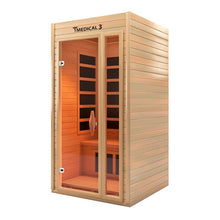 Up to 9% offVendor:Medical Saunas
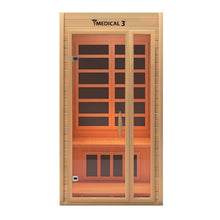
Medical 3 Infrared Sauna (1 Person)
Low stockSale price $3,999.00 USD Regular price$4,379.00 USD -
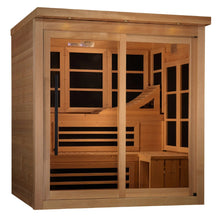 Up to 10% offVendor:Golden Designs
Golden Designs 6 Person Indoor Infrared Sauna
Low stockSale price $6,999.00 USD Regular price$7,784.00 USD
Compare popular Saunas
Key specs side by side for our most popular models.
| Specs | |||||||
|---|---|---|---|---|---|---|---|
| Type | Far Infrared | Infrared Dome | Full Spectrum Infrared | Traditional (steam) | Hybrid (IR + traditional) | Hybrid (IR + traditional) | Traditional (outdoor cabin) |
| Best For | Compact 2-person home | Lay-down dome therapy | Commercial IR + yoga | Commercial Finnish-style | Dual heat indoor | Outdoor hybrid cabin | Outdoor backyard cabin |
| Capacity | 2 person | 1 person (dome) | 3 person | 3 person | 4–6 person | 5 person | 2–6 person |
| Installation | Indoor | Indoor (portable) | Indoor | Indoor | Indoor | Outdoor | Outdoor |
| Wood Type | Canadian Hemlock | Synthetic dome | Canadian Hemlock | Canadian Hemlock | Hemlock + Red Cedar | Canadian Hemlock | Eastern White Cedar |
| Heating Elements / Stove | 7 carbon panels | Carbon heating wire | 10 full spectrum heaters | Traditional steam heater | Carbon IR + 6kW stove | Carbon IR + 8kW stove | Wood or electric (sold sep) |
| Temperature Range | 118–140°F | 77–194°F | Up to 140°F | 170–190°F | 70–210°F | 118–190°F | Up to 194°F |
| EMF Level | Near Zero / Ultra Low | 0.06 mG avg | Low EMF | N/A (steam) | Ultra-low | Near Zero (IR panels) | N/A (steam) |
| Chromotherapy Lighting | ✓ | — | — | — | ✓ | ✓ | — |
| Bluetooth Audio | ✓ | — | ✓ | ✓ | ✓ | ✓ | — |
| Electrical | 120V / 15A | 110V plug-and-play | 120V / 30A | 240V / 30A | 240V / 25A hardwired | 240V / 40A stove | Depends on heater |
| Warranty | 5 year | Manufacturer | 3 year | 3 year | Manufacturer | 5 year | 5 year |


← Scroll to compare more →
Frequently asked questions
Infrared, traditional, or outdoor sauna — which is right for me?
Infrared saunas heat your body directly with infrared panels — run at lower air temperatures (120–150°F), plug into standard outlets, and are the easiest to install. Traditional (Finnish) saunas heat air and rocks to 170–200°F — the classic authentic experience, usually requires 240V wiring. Outdoor saunas are standalone structures for your backyard — most dramatic aesthetic, requires outdoor installation.
What are the actual health benefits of sauna use?
Research-supported benefits include cardiovascular health improvements (Finnish population studies show reduced cardiac event risk with regular use), improved exercise recovery and muscle soreness reduction, stress reduction and improved sleep, and skin and circulation benefits. Many marketing claims around "detoxification" are overstated — your liver and kidneys handle that. Benefits come from consistent use (3–5 sessions per week of 15–30 minutes).
Are there any health risks or people who should avoid saunas?
Generally avoid or consult a doctor first if you have: uncontrolled cardiovascular disease, unstable angina, severe aortic stenosis, recent heart attack, pregnancy, or acute illness with fever. Alcohol and sauna use don't mix — dehydration and blood pressure drops can be dangerous. Always hydrate before and after, and exit if you feel dizzy or unwell.
How often should I use a sauna?
Research suggests 3–5 sessions per week of 15–30 minutes produces the best cardiovascular and recovery benefits. Daily use is safe for most healthy adults. Start with shorter sessions (10–15 minutes) and build up as you tolerate heat. Never force yourself to stay in if you feel unwell — leave, cool down, hydrate.
How much space and power does a sauna need?
1-person infrared saunas: around 3 × 3 ft floor space, standard 120V outlet, 15–20 amp circuit. 2–3 person saunas: 4 × 4 to 4 × 6 ft, often 120V but sometimes 240V. Traditional 4–6 person saunas: 6 × 7 ft or larger, almost always require a dedicated 240V 30–40 amp circuit. Check product specs and consult an electrician before ordering.
How much does a sauna cost to run?
Operating cost is modest. A typical 2-person infrared sauna uses about $0.30–0.60 per 30-minute session in electricity. Traditional saunas use more (closer to $1–2 per session) because they heat a larger air volume and rocks. Compared to a gym membership with sauna access, a home sauna often pays back within 2–3 years of regular use.
Not sure which one fits your space?
Talk to our equipment specialists about fit, power needs and delivery before you buy, or plan it yourself with our free tools and calculators.