
Ab & Back Machines
Ab and back machines train the core and posterior chain with controlled resistance. The range covers ab crunch, rotary torso and back extension machines, plus lat pulldowns, seated rows and T-bar rows.
Combination ab and back machines save floor space in smaller gyms, while dedicated stations suit busy commercial floors. Compare chest and shoulder machines or all weight lifting machines.


-
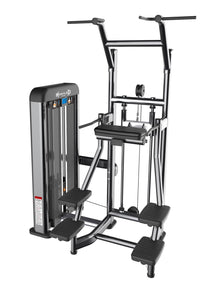
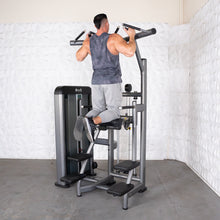 Vendor:Muscle D Fitness
Muscle D Fitness Elite Plus Assisted Chin/Dip Machine
15 in stockRegular price $5,550.00 USD -
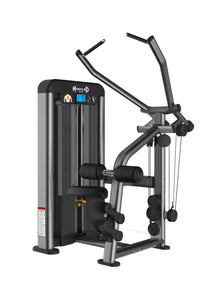
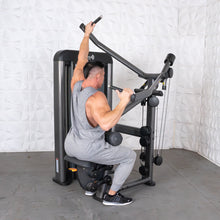 Vendor:Muscle D Fitness
Muscle D Fitness Elite Plus Lat Pulldown Machine
15 in stockRegular price $5,550.00 USD -
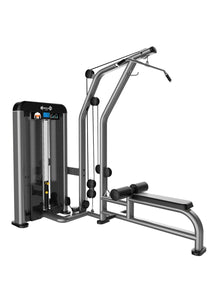
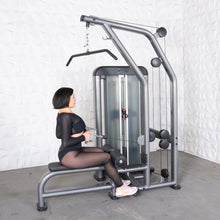 Vendor:Muscle D Fitness
Muscle D Fitness Elite Plus Lat/Low Row Machine
Only 7 leftRegular price $5,550.00 USD -
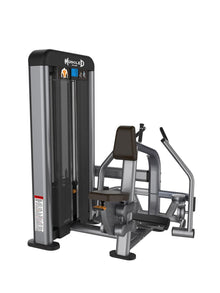
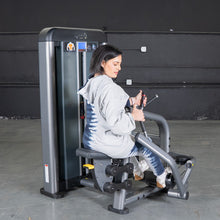 Vendor:Muscle D Fitness
Muscle D Fitness Elite Plus Seated Row Machine
Only 6 leftRegular price $5,550.00 USD -
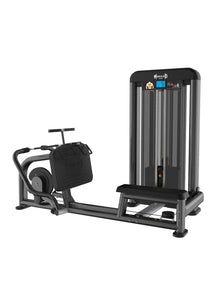
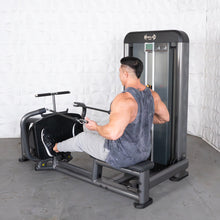 Up to 14% offVendor:Muscle D Fitness
Muscle D Fitness Elite Plus Long Pull Row Machine
13 in stockSale price $5,550.00 USD Regular price$6,477.00 USD -
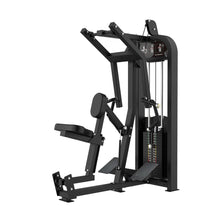 Up to 13% offVendor:Muscle D Fitness
Muscle D Fitness Excel Seated Row Machine
17 in stockSale price $3,295.00 USD Regular price$3,799.99 USD -
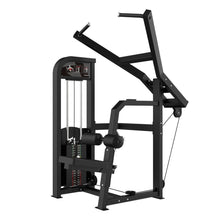 Up to 16% offVendor:Muscle D Fitness
Muscle D Fitness Excel Lat Pulldown Machine
16 in stockSale price $3,295.00 USD Regular price$3,899.99 USD -
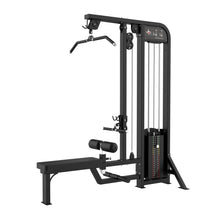 Up to 19% offVendor:Muscle D Fitness
Muscle D Fitness Excel Lat Pulldown/Low Row Combo Machine
Only 9 leftSale price $3,395.00 USD Regular price$4,199.99 USD -
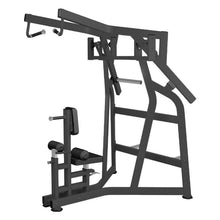 Up to 15% offVendor:Muscle D Fitness
Muscle D Fitness Excel Iso-Lateral High Row Machine
Only 7 leftSale price $2,695.00 USD Regular price$3,160.00 USD -
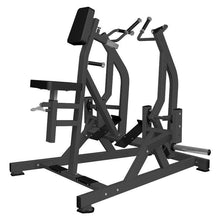 Up to 10% offVendor:Muscle D Fitness
Muscle D Fitness Excel Iso-Lateral Seated Row Machine
13 in stockSale price $2,595.00 USD Regular price$2,890.00 USD -
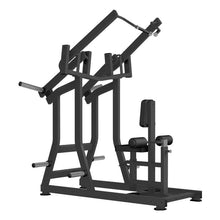 Up to 17% offVendor:Muscle D Fitness
Muscle D Fitness Excel Iso-Lateral Front Lat Pulldown Machine
Only 6 leftSale price $2,595.00 USD Regular price$3,125.00 USD -
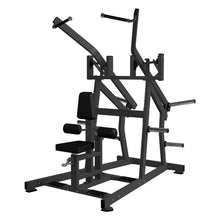 Up to 21% offVendor:Muscle D Fitness
Muscle D Fitness Excel Iso-Lateral Wide Pulldown Machine
Only 8 leftSale price $2,595.00 USD Regular price$3,299.99 USD -
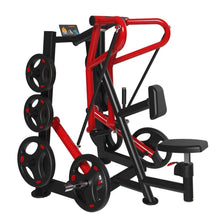
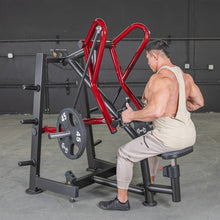 Up to 13% offVendor:Muscle D Fitness
Muscle D Fitness Power Leverage V2 Iso-Lateral Low Row Machine
Only 10 leftSale price $3,295.00 USD Regular price$3,795.00 USD -
 Up to 10% offVendor:Muscle D Fitness
Muscle D Fitness Excel Iso-Lateral Low Row Machine
20 in stockSale price $2,595.00 USD Regular price$2,899.00 USD -
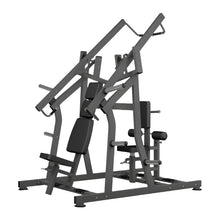 Up to 11% offVendor:Muscle D Fitness
Muscle D Fitness Excel Iso-Lateral Chest / Back Combo Machine
Only 8 leftSale price $2,995.00 USD Regular price$3,370.00 USD -
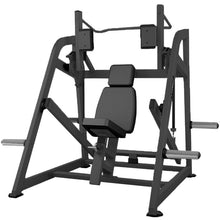 Up to 10% offVendor:Muscle D Fitness
Muscle D Fitness Excel Pull-Over Machine
17 in stockSale price $2,895.00 USD Regular price$3,215.00 USD -
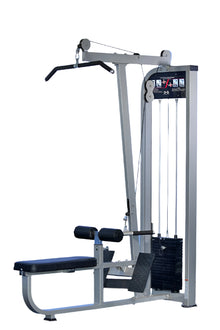
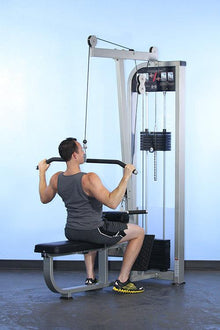 Vendor:Muscle D Fitness
Muscle D Fitness Dual Function Lat/Low Row Combo Machine
Only 8 leftRegular price $3,495.00 USD -
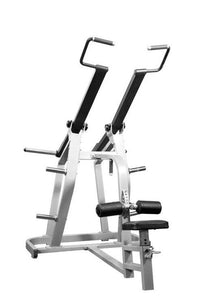
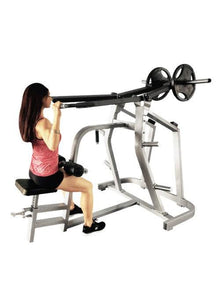 Vendor:Muscle D Fitness
Muscle D Fitness Power Leverage Iso Lateral Lat Pulldown Machine
14 in stockRegular price $2,595.00 USD -
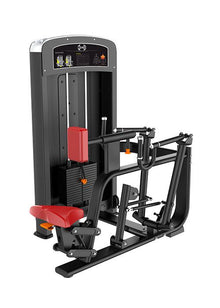
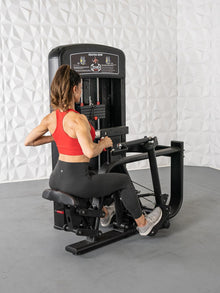 Up to 9% offVendor:Muscle D Fitness
Muscle D Fitness Elite Selectorized Seated Row Machine
11 in stockSale price $3,995.00 USD Regular price$4,399.99 USD -
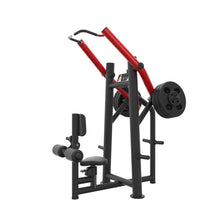
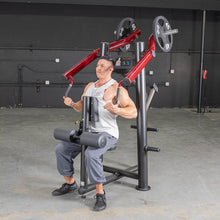 Up to 8% offVendor:Muscle D Fitness
Muscle D Fitness Power Leverage V2 Reverse Grip Lat Pulldown Machine
14 in stockSale price $3,295.00 USD Regular price$3,595.00 USD -
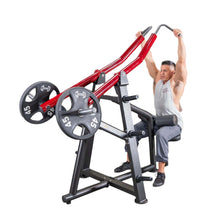
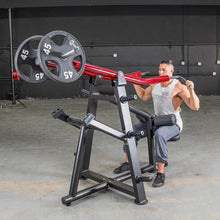 Up to 6% offVendor:Muscle D Fitness
Muscle D Fitness Power Leverage V2 Iso Lateral Lat Pulldown Machine
15 in stockSale price $3,295.00 USD Regular price$3,495.00 USD -
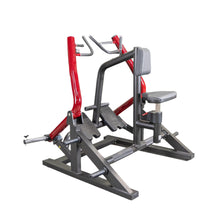
 Vendor:Muscle D Fitness
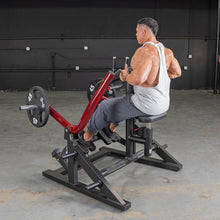
Muscle D Fitness Power Leverage V2 Iso Lateral Seated Row Machine
Only 5 leftRegular price $3,295.00 USD -
 Up to 7% offVendor:Muscle D Fitness
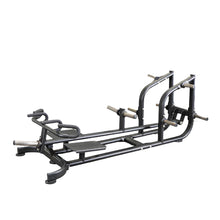
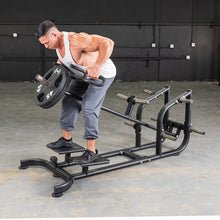
Muscle D Fitness Power Leverage V2 T-Bar Row Machine
Only 5 leftSale price $2,095.00 USD Regular price$2,245.00 USD -
 Up to 13% offVendor:Muscle D Fitness
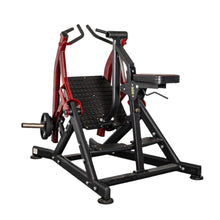
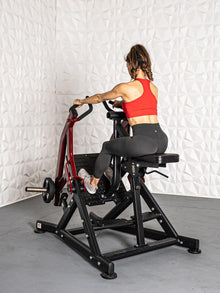
Muscle D Fitness Pro Strength Seated Row Machine
15 in stockSale price $4,095.00 USD Regular price$4,699.99 USD

Compare popular Ab & Back Machines
Key specs side by side for our most popular models.
| Specs | |||||||
|---|---|---|---|---|---|---|---|
| Category | Lat Pull / Low Row | Lat / Mid Row | Leverage Lat Pulldown | Leverage Seated Row | Iso-Lateral Low Row | Pull-Over Machine | Assisted Chin / Dip |
| Target Muscles | Lats, traps, triceps | Lats, traps, triceps | Lats, biceps, traps | Back, lats, biceps | Lats, upper back | Lats, serratus | Lats, triceps, chest |
| Exercises Supported | Lat pulldown, tricep press, row | Lat pulldown (3 grips), row | Lat pulldown (wide / close) | Seated row, unilateral row | Low row (iso-lateral) | Pull-over | Assisted chin-up, assisted dip |
| Resistance Type | Plate loaded | Plate loaded | Plate loaded (leverage) | Plate loaded (leverage) | Plate loaded (iso-lateral) | Plate loaded | Selectorized assist stack |
| Weight Capacity / Stack | 250 lb | Plate loaded | Plate loaded | Plate loaded | 700 lb max load | 700 lb max load | 200 lb assist stack |
| Footprint L × W (in) | 48 × 43 | 64 × 46 | 76 × 49 | 65 × 35 | 56 × 64 | 66 × 64 | 56 × 36 |
| Height | 81 in | 85.5 in | 84 in | 44 in | 68 in | 44 in | 84 in |
| Machine Weight | 69 lb | 444 lb | 183 lb | 158 lb | 295 lb | 310 lb | 550 lb |
| Plate Storage | — | — | ✓ | — | ✓ | ✓ | — |
| Best For | Entry home lat / row | Commercial lat / row | Commercial lat pulldown | Commercial seated row | Iso-lateral back isolation | Pull-over specialization | Progressive strength building |
| Commercial Rated | — | ✓ | ✓ | ✓ | ✓ | ✓ | ✓ |
| Warranty — Home | Manufacturer | Lifetime | Lifetime | Lifetime | 10 yr structural | 10 yr structural | 10 yr structural |


← Scroll to compare more →
Frequently asked questions
What machines are in the ab and back category?
This collection covers abs, obliques, and lower back: ab crunch machines, rotary torso (twist) machines, back extension / hyperextension machines, and combo ab/back units. Many commercial gyms also include dip stations and vertical knee raise (VKR) towers, which train the core through hanging leg raises and bodyweight dips.
Do I really need an ab machine?
Not strictly — but resistance-loaded ab work grows the abs faster than bodyweight crunches alone, just like any other muscle. If aesthetics or serious core strength matter to your clientele, a selectorized ab crunch or cable-based core station is a great addition. Combo ab/back machines like the Body-Solid S2ABB train both directions in one footprint.
What is a GHD and should I have one?
A GHD (glute-ham developer) is an adjustable bench with foot plates and thigh pads that lets you train glute-ham raises, Russian twists, and back extensions at varying angles. It's a CrossFit and athletic training staple because it builds posterior-chain strength that barbell work alone can't reach. See our GHD / Hyperextension collection for options.
Back extension vs. hyperextension — what's the difference?
The two terms get used interchangeably, but traditionally: back extensions refer to 45° angled benches that train the lower back and glutes, while hyperextensions refer to horizontal benches (like a Roman chair) that target the same muscles with a longer range of motion. Either style is effective for low-back health and posterior-chain development.
What's a rotary torso machine for?
Rotary torso machines train rotational strength — twisting your torso against resistance. This trains the obliques and the deep rotational core muscles that support everything from golf swings to lateral athletic movement. They're popular in functional-training facilities and any gym serving athletes or golfers.
Are dip stations and VKR towers considered core equipment?
Yes — both train the core heavily even though they also hit upper body. A dip station loads the chest, triceps, and core simultaneously. A VKR (vertical knee raise) tower is a padded station where you hang from your elbows and perform knee or leg raises — one of the most effective hanging core movements. Many commercial VKR stations also include dip bars and pull-up handles.
Not sure which one fits your space?
Talk to our equipment specialists about fit, power needs and delivery before you buy, or plan it yourself with our free tools and calculators.