
-
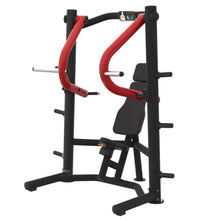
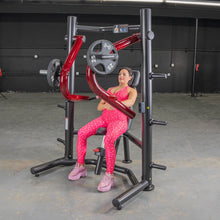 Up to 8% offVendor:Muscle D Fitness
Muscle D Fitness Power Leverage V2 Decline Chest Press Machine
Only 5 leftRegular price $3,295.00 USDSale price $3,295.00 USD Regular priceUnit price per$3,595.00 USD95% claimed
-
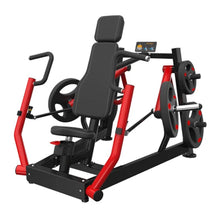
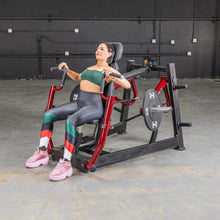 Up to 6% offVendor:Muscle D Fitness
Muscle D Fitness Power Leverage V2 Chest Press Machine
18 in stockRegular price $3,295.00 USDSale price $3,295.00 USD Regular priceUnit price per$3,495.00 USD85% claimed
-
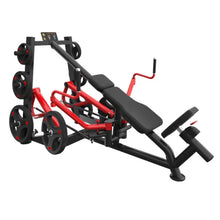
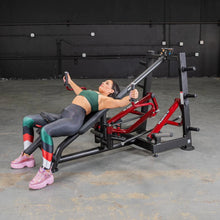 Up to 6% offVendor:Muscle D Fitness
Muscle D Fitness Power Leverage V2 Decline Chest Fly Machine
Only 8 leftRegular price $3,295.00 USDSale price $3,295.00 USD Regular priceUnit price per$3,495.00 USD93% claimed
-
 Up to 13% offVendor:Muscle D Fitness
Muscle D Fitness Iso Lateral Rear Delt
20 in stockRegular price $2,395.00 USDSale price $2,395.00 USD Regular priceUnit price per$2,750.00 USD83% claimed
-
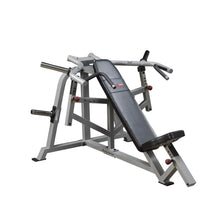
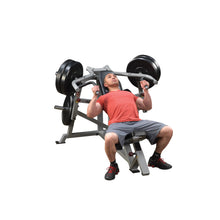 Up to 4% offVendor:Pro ClubLine
Body-Solid Pro Clubline Leverage Incline Press LVIP
Only 5 leftRegular price $1,240.00 USDSale price $1,240.00 USD Regular priceUnit price per$1,295.00 USD95% claimed
-
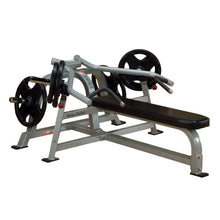
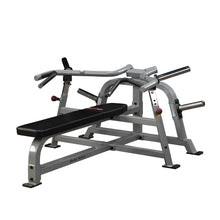 Up to 8% offVendor:Pro ClubLine
Body-Solid Pro Clubline Leverage Bench Press LVBP
Only 10 leftRegular price $1,095.00 USDSale price $1,095.00 USD Regular priceUnit price per$1,195.00 USD91% claimed
-
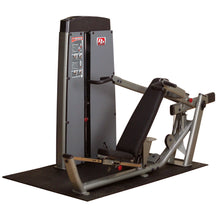
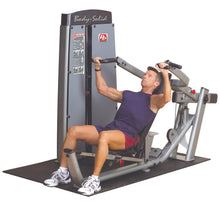 Up to 15% offVendor:Pro ClubLine
Body-Solid Pro Clubline Dual Multi-Press Machine DPRSSF
15 in stockRegular price $3,985.00 USDSale price $3,985.00 USD Regular priceUnit price per$4,695.00 USD87% claimed
-
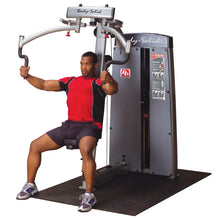
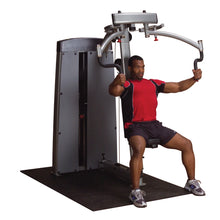 Up to 12% offVendor:Pro ClubLine
Body-Solid Pro Clubline Dual Pec & Rear Delt Machine DPEC
15 in stockRegular price $3,505.00 USDSale price $3,505.00 USD Regular priceUnit price per$3,995.00 USD87% claimed
-
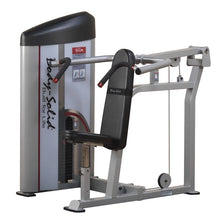
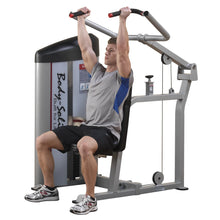 Up to 22% offSold outVendor:Pro ClubLine
Body-Solid Pro Clubline Series 2 Shoulder Press Machine S2SP
Regular price From $2,095.00 USDSale price From $2,095.00 USD Regular priceUnit price per$2,695.00 USD -
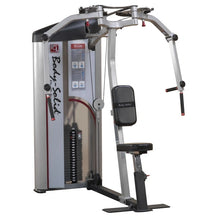
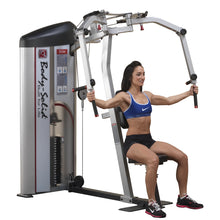 Up to 8% offSold outVendor:Pro ClubLine
Body-Solid Pro Clubline Series 2 Pec Fly & Rear Delt Machine S2PEC
Regular price From $2,780.00 USDSale price From $2,780.00 USD Regular priceUnit price per$2,995.00 USD -
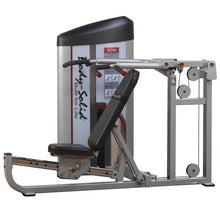
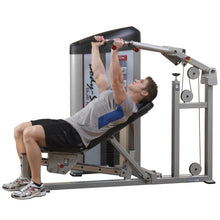 Up to 9% offSold outVendor:Pro ClubLine
Body-Solid Pro Clubline Series 2 Multi-Press Machine S2MP
Regular price From $2,895.00 USDSale price From $2,895.00 USD Regular priceUnit price per$3,195.00 USD -
 Up to 9% offSold outVendor:Pro ClubLine
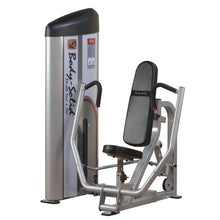
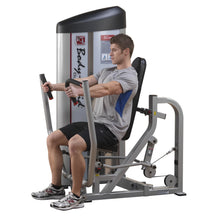
Body-Solid Pro Clubline Series 2 Chest Press Machine S2CP
Regular price From $2,780.00 USDSale price From $2,780.00 USD Regular priceUnit price per$2,995.00 USD

Compare Popular Chest / Shoulder Machines
| Specs |

Muscle D Fitness Muscle D Fitness Elite Selectorized Pec Deck / Rear Delt Machine$3,995.00
| |||||||
|---|---|---|---|---|---|---|---|---|
| Category | Iso-Lateral Bench Press | Iso-Lateral Incline Press | Leverage Decline Chest Press | Leverage Incline Pec Fly | Pec Deck / Rear Delt | Leverage Shoulder Press | Pro Strength Shoulder Press | Iso-Lateral Rear Delt |
| Target Muscles | Chest, triceps | Upper chest, shoulders | Lower chest, triceps | Upper chest, front delts | Chest + rear delts (dual-use) | Delts, chest, triceps | Shoulders, triceps | Rear delts, traps |
| Best For | Flat-to-incline chest press | Upper chest isolation | Lower-chest specialization | Pec fly / stretch | Dual chest + delt station | Commercial shoulder press | Heavy iso-lateral press | Rear-delt isolation |
| Resistance Type | Plate loaded (iso-lateral) | Plate loaded (iso-lateral) | Plate loaded (leverage) | Plate loaded (leverage) | Selectorized (200 lb stack) | Plate loaded (leverage) | Plate loaded (iso-lateral) | Plate loaded (iso-lateral) |
| Max Load / Stack | Plate dependent | Plate dependent | 6 × 5 × 45 lb horns | 400 lb max | 200 lb stack | Plate dependent | 600 lb max | Plate dependent |
| Starting Resistance | Plate only | Plate only | Leverage curve | 10 lb | Stack-based | Gas-assist | 15 lb | Plate only |
| Movement | Flat / incline dual-function | Fixed incline iso-lateral | Anatomical leverage curve | Ergonomic incline pec fly | Self-adjusting swing arms | Converging unilateral | Iso-lateral converging | Iso-lateral |
| Seat Adjustment | Multi-position | Adjustable | Height spring-assist | Standard | One-touch while seated | Gas-assist | Spring-loaded | Ergonomic adjustable |
| Plate Storage | — | — | ✓ | — | — | ✓ | ✓ | — |
| Footprint L × W (in) | 61 × 42 | 66 × 55 | 69 × 51 | 56 × 48 | 58 × 45 | 53 × 49 | 67 × 64 | 78 × 48 |
| Machine Weight | 295 lb | 265 lb | 340 lb | 225 lb | 520 lb | 171 lb | 550 lb | 195 lb |
| Commercial Rated | ✓ | ✓ | ✓ | ✓ | ✓ | ✓ | ✓ | ✓ |
| Warranty — Structural | 10 yr | 10 yr | 10 yr | 10 yr | 10 yr | Lifetime | 10 yr | 10 yr |


Frequently asked questions
What chest and shoulder machines do you carry?
Our collection includes chest press, incline press, decline press, pec fly / rear delt, shoulder press, lateral raise, and multi-press machines — in both selectorized (pin-loaded) and plate-loaded configurations. Brands include Muscle D Fitness, Body-Solid Pro ClubLine, Powerline, and XMARK.
Machine chest press vs. barbell bench press — do I need both?
They complement each other. A barbell bench builds raw pressing strength and recruits more stabilizers. A machine chest press lets you train to failure safely (no spotter needed), hit higher volume without fatigue, and isolate the chest better by removing stabilizer limitations. Most serious lifters program both. For a home gym short on space, a machine chest press plus a quality adjustable bench and dumbbells covers nearly everything.
What's the difference between pec fly and cable crossover?
A pec fly machine uses fixed arms and a seat — you sit down, place your forearms or grips on pads, and bring them together in a horizontal arc. It's a pure chest isolation movement with a fixed path. A cable crossover uses adjustable pulleys and free-moving cables, letting you fly from high, mid, or low angles. Pec fly machines are easier to use and more compact; crossovers are more versatile.
What should I look for in a shoulder press machine?
Key features: independent converging arms (each arm moves separately, matching natural shoulder motion), adjustable seat with multiple lockout positions, and a weight stack of at least 160–210 lb. Commercial picks like the Body-Solid Pro Clubline S2SP or Muscle D Classic V2 shoulder press check all these boxes.
Are machines for shoulders safer than barbell work?
For most users, yes — especially for overhead pressing. Machines guide the bar path, eliminate the balancing demand on often-unstable shoulder joints, and let you train to failure without a spotter. They're particularly valuable if you've had shoulder injuries or if you want to push high-volume hypertrophy work without beating up the joint.
What about lateral raise machines?
Dedicated lateral raise machines are one of the best single-joint additions to any gym. They isolate the lateral delts with smooth cam-driven resistance, which is much harder to achieve with dumbbells due to the leverage curve. If you're serious about building shoulder width, a lateral raise machine is worth the investment.
Pressing & Bench Training Advice
-

Home Gym Space Requirements: Room-by-Room Guide
Generic home gym guides say "200-400 square feet" and leave...19 min readbuying-guide -

TRX Product Guide: Home2 vs Pro4 vs Tactical (Which Should You Buy?)
Choosing between TRX Home2, Pro4, and Tactical? Home2 is best...5 min readcable -

Essential Equipment for Your Bodybuilding Gym
Building a bodybuilding gym isn’t about collecting random gear. It’s...11 min readgym-design -

Stair Climber vs. Treadmill: A No-B.S. Guide (Home & Commercial)
Not sure if you need a stair climber or a...4 min readclimbers


