
Foam Rollers
Roll out tight muscles with foam rollers from TRX, Power Plate, and PRx Performance — including standard grid foam rollers, vibrating foam rollers, Rev Rollers, Rockers, and the Power Plate DualSphere for targeted trigger-point work. Match density and texture to your recovery needs, whether you're loosening up before training or flushing muscles after.

-
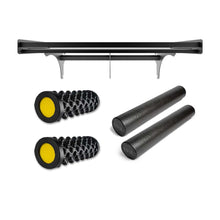
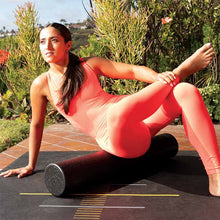 Vendor:TRX
TRX Recovery Roller Shelf Bundle
Only 10 leftRegular price $435.75 USDSale price $435.75 USD Regular priceUnit price per -
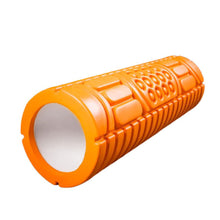
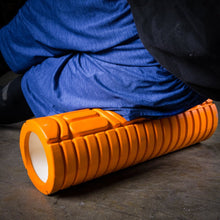 Vendor:PRx Performance
PRx Grid Foam Roller
13 in stockRegular price $41.99 USDSale price $41.99 USD Regular priceUnit price per -
 Vendor:Power Plate
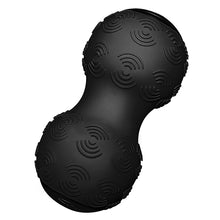
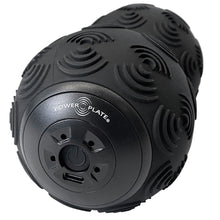
Power Plate DualSphere
Only 8 leftRegular price $179.00 USDSale price $179.00 USD Regular priceUnit price per -
 Up to 75% offSold outVendor:Rage Fitness
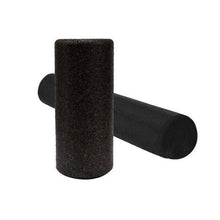
Rage Fitness Recovery Roller
Regular price $9.99 USDSale price $9.99 USD Regular priceUnit price per$39.99 USD -
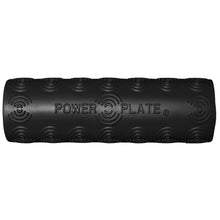 Vendor:Power Plate
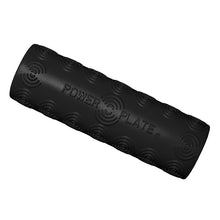
Power Plate Vibrating Foam Roller
12 in stockRegular price $179.00 USDSale price $179.00 USD Regular priceUnit price per
Compare Popular Foam Rollers


Frequently asked questions
What size foam roller should I buy?
36-inch (full length): most versatile — works for back, legs, shoulders, and full-body bridges. The standard first-time purchase. 18-inch (half length): more portable, good for travel and targeted leg work. 6-inch (short): for focused single-muscle work and targeted back rolling. Most home users start with a 36-inch and may add a shorter one later.
Smooth, textured, or vibrating foam roller?
Smooth rollers: gentle, beginner-friendly, good for warmups and general mobility. Textured ("rumble rollers" with ridges or knobs): deeper, more targeted pressure — intense but effective for stubborn knots. Not recommended for beginners. Vibrating rollers: combine rolling with percussion therapy — added cost but claims of better pain tolerance and faster releases. Research supports modest additional benefits.
What density should I choose?
Foam density correlates with pressure intensity. Soft (white/low-density): comfortable but compresses — fine for beginners and yoga-style use. Medium (most common): the sweet spot for most users. Firm (black/EPP or high-density EVA): minimal compression, provides deep pressure — preferred by experienced users and athletes. Firmer rollers also last longer.
How often should I foam roll?
5–10 minutes daily or before and after workouts is ideal. Target tight areas specifically — IT band, quads, glutes, upper back. Spend 30–60 seconds per muscle group, moving slowly over tight spots and pausing on tender areas for 20–30 seconds. Don't roll the lower back directly (use a ball for targeted work there instead).
Does foam rolling actually work?
Research shows real but modest benefits: short-term flexibility gains, reduced muscle soreness (DOMS), and improved recovery between sessions. Claims about "breaking up fascia" are anatomically questionable — what's actually happening is more likely neuromuscular (pressure reduces tension via nerve signaling). Effects are real, just less dramatic than marketing suggests. Combine with stretching for best results.
Where shouldn't I foam roll?
Avoid: directly on the lower back (lumbar spine), directly on the knees or other joints, over recent injuries, bruises, or inflamed areas, and over varicose veins or broken skin. Also avoid the front of the neck and rolling the IT band directly if you have knee pain — often better to roll the muscles above (TFL, quads, glutes) instead.
Recovery & Wellness Expert Guides
-

Red Light Therapy 2026—Pro Results & Safety Tips
Discover how red / near-infrared photobiomodulation boosts ATP, collagen, recovery,...4 min readrecovery
