
Smart Watches
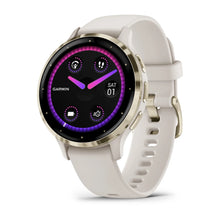
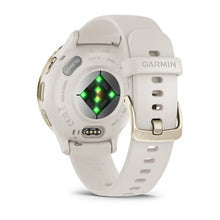
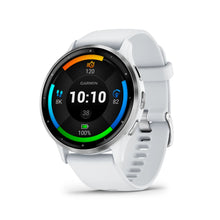
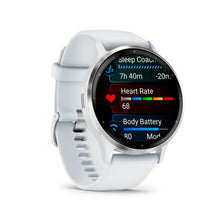
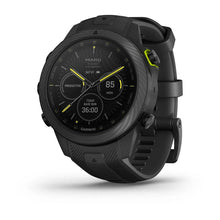
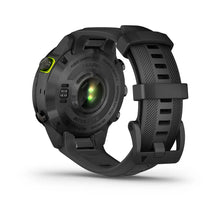
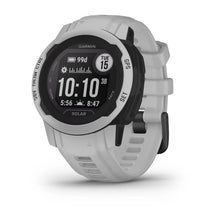
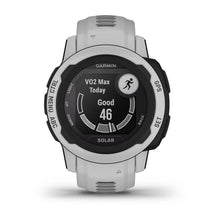
Garmin smartwatches for running, triathlon, strength training, golf and outdoor adventure. The range spans the Forerunner, fenix, Venu, vivoactive, Instinct, Enduro, quatix and Approach series.
Choose by display and battery: AMOLED screens look sharp, while solar and memory-in-pixel displays stretch battery life for long events. Add accuracy with heart rate monitors, or browse golf tech.


-
 Sold out
-
 Sold out
-
 Sold out
-
 Sold out
-
-
-
 Best SellerSold out
-
-
 Sold out
-
-
 Sold out
-
-
 Sold out
-
-
-
-
-
-
-
-
-
-
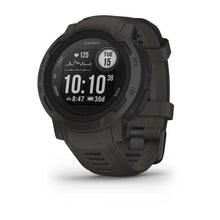
 Sold out
-
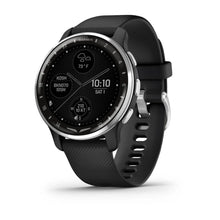
 Sold out
Compare popular Smart Watches
Key specs side by side for our most popular models.
| Specs | |||||||
|---|---|---|---|---|---|---|---|
| Best For | Hybrid analog style | Everyday smartwatch | Rugged outdoor | Serious runners | Wellness + lifestyle | Triathletes / elite | Adventure + multisport |
| Form Factor | Hybrid analog watch | Circular smartwatch | Rugged smartwatch | GPS running watch | Round smartwatch | Flagship GPS watch | Premium multisport |
| Display Type | Hybrid (hands + OLED) | AMOLED | Monochrome MIP | AMOLED | AMOLED | AMOLED | AMOLED |
| Touchscreen | ✓ | ✓ | — | ✓ | ✓ | ✓ | ✓ |
| Battery Life smartwatch mode | Up to 5 days | Up to 11 days | Up to 14–16 days | Up to 15 days | Up to 10 days | Up to 15 days | 10–29 days by size |
| Built-in GPS | — | ✓ | ✓ | ✓ | ✓ | ✓ | ✓ |
| Multi-Band GPS | — | — | — | ✓ | — | ✓ | ✓ |
| Built-in Mapping | — | — | — | — | — | ✓ | ✓ |
| Music Storage | — | ✓ | — | ✓ | ✓ | ✓ | ✓ |
| Garmin Pay | ✓ | ✓ | ✓ | ✓ | ✓ | ✓ | ✓ |
| ECG App | ✓ | ✓ | — | — | ✓ | ✓ | ✓ |
| Water Rating | 5 ATM | 5 ATM | 10 ATM | 5 ATM | 5 ATM | 5 ATM | 10 ATM |
| Pulse Ox | ✓ | ✓ | ✓ | ✓ | ✓ | ✓ | ✓ |


← Scroll to compare more →
Frequently asked questions
What should I look for in a fitness smartwatch?
Key features in order of importance: accurate heart rate monitoring, GPS for outdoor workouts, battery life (at least 5 days for fitness use, 12+ hours with GPS active), water resistance (essential for swimming or heavy sweating), and sport mode variety. Phone notifications and payments are nice-to-have but not training-critical.
Are smartwatch calorie counts accurate?
Roughly — research shows smartwatches typically miss actual calorie burn by 20–40%. They're reliable for comparing workouts (workout A was harder than workout B), but not precise enough to base weight-loss diets on. Use them as a consistency and intensity tool, not a calorie ledger.
Apple Watch, Garmin, or something else?
Apple Watch is the best all-around smartwatch if you own an iPhone — great fitness features plus everyday utility. Garmin is the athlete's choice — superior GPS, battery life (often 7–14 days), and running/cycling metrics. Fitbit is a simpler, lower-cost fitness tracker option. For serious athletes who want detailed training data, Garmin wins; for general fitness and daily use, Apple Watch wins.
Do I need a chest strap if I have a smartwatch?
For most users, no — modern wrist heart rate monitors are accurate enough for zone training. But chest straps are significantly more accurate for high-intensity intervals, sprints, and strength training (wrist HR sensors struggle when your wrist bends or muscles flex). Serious athletes often wear both: watch for GPS and phone connectivity, chest strap for HR accuracy.
Can smartwatches track weight training?
Partially — most watches detect heart rate and have a "strength" or "weight training" mode, but they can't automatically count reps, sets, or weight. Some premium watches offer manual rep logging through the app. For pure strength tracking, a dedicated app (Strong, Hevy, FitBod) paired with a smartwatch for HR is usually more useful than the watch alone.
Not sure which one fits your space?
Talk to our equipment specialists about fit, power needs and delivery before you buy, or plan it yourself with our free tools and calculators.