
Weight Bar Collars
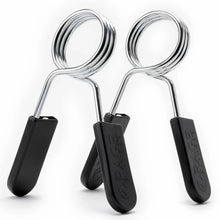
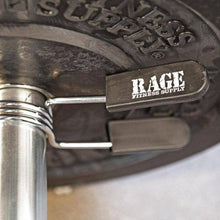
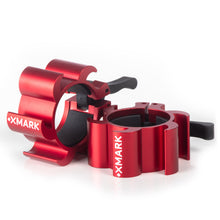
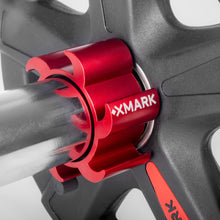
Weight bar collars lock plates in place so they don't creep during lifts. The range includes quick spring clips plus lock-jaw, magnetic and aluminum collars for Olympic barbells.
Spring collars are fast and inexpensive; lock-jaw and aluminum collars clamp tighter for Olympic lifts and heavy pulls. Check that the collars match your sleeve diameter, then complete the setup with barbells and weight plates.


-
 Up to 50% offSold out
-
 Fan FavoriteSold out
-
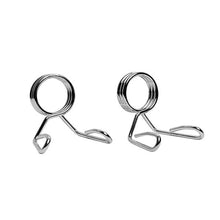
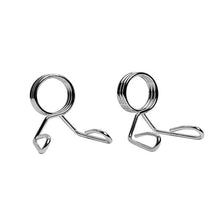 Up to 27% offVendor:PRx Performance
PRx Spring Collars
359 in stockSale price $10.99 USD Regular price$14.99 USD -
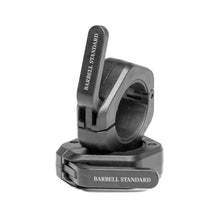
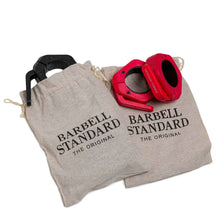 Up to 20% offVendor:Barbell Standard
Barbell Standard Magnetic Barbell Collars
Color:142 in stockSale price $24.00 USD Regular price$30.00 USD -
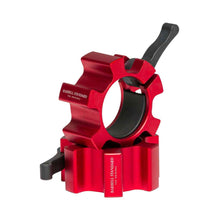
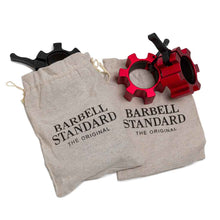 Up to 20% offVendor:Barbell Standard
Barbell Standard Aluminum Bar Collars
Color:203 in stockSale price $24.00 USD Regular price$30.00 USD -
 Up to 20% offVendor:Barbell Standard
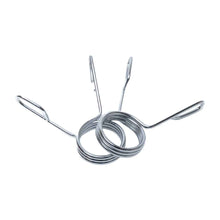
Barbell Standard Olympic Spring Collars
952 in stockSale price $12.00 USD Regular price$15.00 USD -
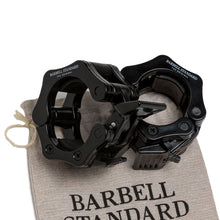 Up to 20% offVendor:Barbell Standard
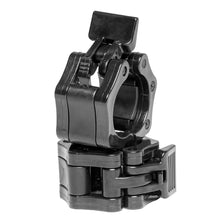
Barbell Standard Olympic Snap Collars
200 in stockSale price $20.00 USD Regular price$25.00 USD -
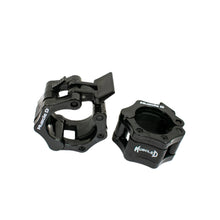
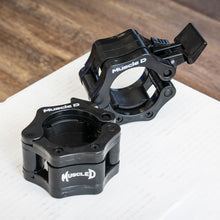 Up to 66% offVendor:Muscle D Fitness
Muscle D Fitness Pro Lock Jaw Collars
13 in stockSale price $12.00 USD Regular price$35.00 USD -
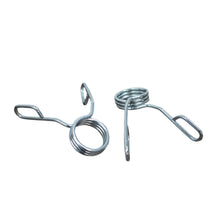
Frequently asked questions
Do I really need barbell collars?
Yes — every time you lift, without exception. Loose plates can slide off, shift uneven, or fall on your feet. Collars take two seconds to install and prevent every plate-related accident. This is the cheapest and most important accessory you'll ever buy.
Spring collars vs. lockjaw vs. competition collars — what's the difference?
Spring collars ($10–20) are cheap and fast but slip under heavy bouncing. Fine for light and moderate lifts. Lockjaw / quick-release collars ($30–50) clamp with a lever — secure, fast, and the best overall choice for most lifters. Competition collars ($80–150) use a cam-lock mechanism, weigh exactly 2.5 kg per pair, and are required for sanctioned meets. For non-competitive training, lockjaw collars are the sweet spot.
Do cheap collars damage the bar?
Poor-quality collars with metal-on-metal contact can mark or scratch barbell sleeves over time. Quality collars (even budget-friendly lockjaw styles) use plastic or rubber contact surfaces that won't mark sleeves. If you own premium bars, spend a few extra dollars on collars with protective inserts.
Will Olympic collars fit standard (1-inch) bars?
No — Olympic collars fit 2-inch diameter bar sleeves, while standard collars fit 1-inch bars. Most modern equipment uses Olympic spec. If you have older home-gym equipment with 1-inch bars, check the product listing for standard-compatible collars.
Do bumper plates need collars?
Yes — bumper plates slide just like iron plates and require collars for safe lifting. The only exception: some CrossFit-style drops from overhead actually benefit from letting plates shift slightly, so light spring collars (or no collars) are sometimes used. For all heavy or barbell-based lifting, always use collars.
Not sure which one fits your space?
Talk to our equipment specialists about fit, power needs and delivery before you buy, or plan it yourself with our free tools and calculators.
Free Weight Training Guides
-

EZ Curl Bar vs Straight Barbell: A Detailed Comparison
Struggling to choose between an EZ curl bar and a...14 min read
