
Plyometric Boxes
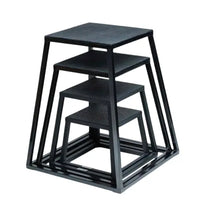
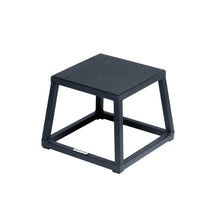
Plyometric boxes build explosive power for box jumps, step-ups, depth drops and conditioning circuits. Choose soft foam boxes for beginners and high-rep work, wood 3-in-1 boxes for adjustable heights, or steel boxes for commercial durability.
Foam boxes forgive missed jumps, while wood and steel give a firmer landing, and a 3-in-1 box offers three heights in one footprint. Pair it with medicine balls or see all functional training gear.


-
-


-
 Up to 40% offSold outVendor:Rage Fitness
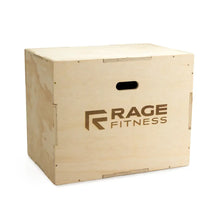
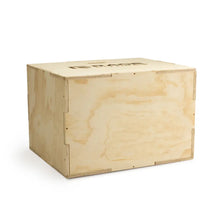
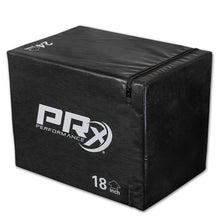
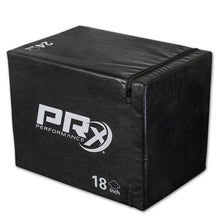
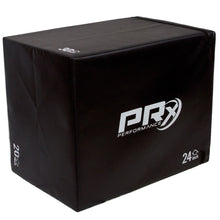
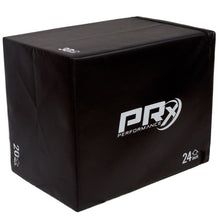
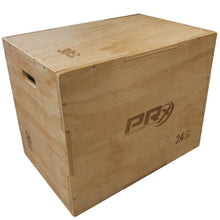
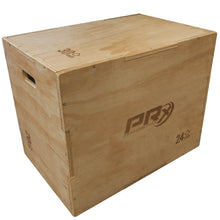
Rage Fitness 3-in-1 Wood Plyo Cube
Sale price $89.99 USD Regular price$149.99 USD -
-
-
-
 Up to 30% offVendor:Barbell Standard
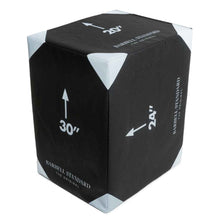
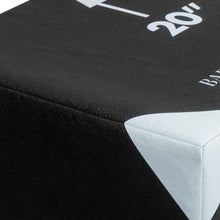
Barbell Standard Plyo Box Foam 3-in-1 Jump Box
In stockSale price $140.00 USD Regular price$200.00 USD -



Frequently asked questions
Wooden, foam, or steel plyo box — which should I buy?
Wooden 3-in-1 boxes (20/24/30 inch heights in one unit) are the CrossFit standard — cheap, durable, and versatile. Foam-covered soft plyo boxes are safer (won't tear up shins if you miss a jump) and better for beginners, gyms with lots of users, or anyone learning box jumps. Steel boxes are commercial-grade, stackable, and indestructible but harsher on the shins. For most home gyms, a wooden 3-in-1 is the sweet spot.
What height plyo box do I need?
Height scales with ability: 12–16 inches for beginners, 20 inches for intermediate, 24 inches for advanced, and 30+ inches for athletes. A 3-in-1 box covers 20/24/30 by flipping it — the most versatile option. For step-ups and box squats (no jumping), pick a height that puts your thigh parallel to the ground when standing on top.
Can I use a plyo box for exercises besides box jumps?
Absolutely — step-ups, Bulgarian split squats, box squats, incline push-ups, elevated pikes, decline push-ups, box dips, and depth jumps. A good plyo box is one of the most-used accessories in a home gym. Many people who buy one for box jumps end up using it more for unilateral leg work.
Is it safe to do box jumps?
Yes, with proper form and an appropriate height — but missed box jumps cause nasty shin injuries, so start at a conservative height and master landings before progressing. Foam plyo boxes significantly reduce injury risk if you miss. Always land softly with knees tracking over toes, and step down (don't jump down) to protect your Achilles tendons.
How heavy is a plyo box?
Wooden 3-in-1 boxes typically weigh 35–60 lb depending on size and construction. Foam boxes are lighter (20–40 lb). Steel boxes are the heaviest (50–80+ lb per unit). The weight matters for stability — you don't want a box sliding mid-rep. Heavier is generally better for stability but harder to reposition.
Not sure which one fits your space?
Talk to our equipment specialists about fit, power needs and delivery before you buy, or plan it yourself with our free tools and calculators.
Cable Machine & Functional Training Guides
-

Cable Machine Buying Guide: Types, Space, Stack, Price
How to choose a cable machine: the four types, stack...11 min read -

TRX Home2 vs Pro4 vs Tactical: Which to Buy
Home2 is the best value for most people training at...6 min read

