
Infrared Saunas
Infrared saunas heat the body directly at lower air temperatures, which makes longer sessions comfortable. Choose far-infrared or full-spectrum models from one-person units to eight-person cabins, plus sauna domes.
Check the electrical requirement first: smaller units often run on a standard outlet, while larger cabins need a dedicated circuit. Compare traditional saunas or browse sauna accessories.


-
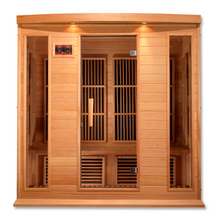
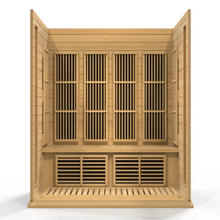 Up to 41% offVendor:Maxxus
Maxxus MX-K406-01 Far Infrared Sauna
75 in stockSale price From $3,699.00 USD Regular price$5,541.00 USD -
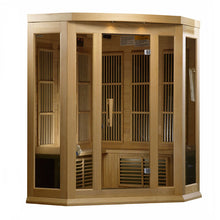
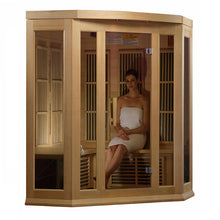 Up to 41% offVendor:Maxxus
Maxxus MX-K356-01 Far Infrared Corner Sauna
62 in stockSale price From $3,299.00 USD Regular price$5,448.00 USD -
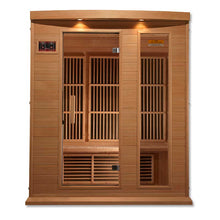
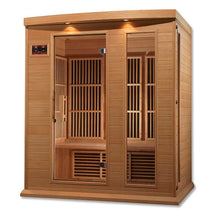 Up to 48% offVendor:Maxxus
Maxxus MX-K306-01 Far Infrared Sauna
61 in stockSale price From $2,999.00 USD Regular price$4,828.00 USD -
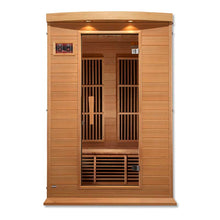
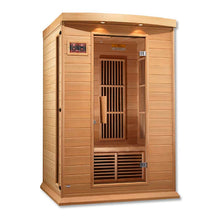 Up to 48% offVendor:Maxxus
Maxxus MX-K206-01 Far Infrared Sauna
44 in stockSale price From $2,699.00 USD Regular price$4,124.00 USD -
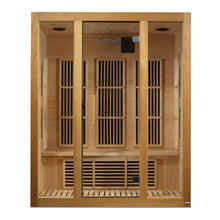
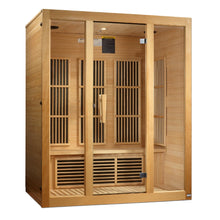 Up to 43% offVendor:Maxxus
Maxxus Bellevue 3 Person Far Infrared Sauna
36 in stockSale price From $2,699.00 USD Regular price$3,648.00 USD -

 Up to 25% offVendor:Maxxus
Maxxus Aspen Dual Tech 2 Person Far Infrared Sauna
23 in stockSale price $2,699.00 USD Regular price$3,604.00 USD -
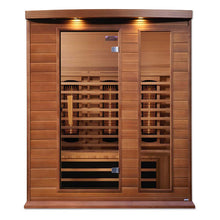
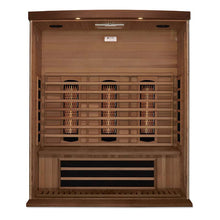 Up to 23% offVendor:Maxxus
Maxxus 3 Person Full Spectrum Infrared Sauna
Only 5 leftSale price $4,899.00 USD Regular price$6,350.00 USD -
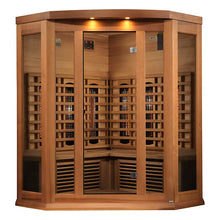
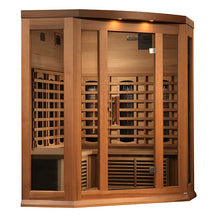 Up to 17% offVendor:Maxxus
Maxxus 3 Person Full Spectrum Infrared Corner Sauna
11 in stockSale price $5,299.00 USD Regular price$6,386.00 USD -
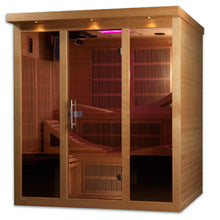
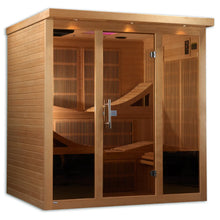 Frequently BoughtUp to 47% offVendor:Golden Designs
Golden Designs Monaco 6 Person Far Infrared Sauna
13 in stockSale price $6,999.00 USD Regular price$13,294.00 USD -
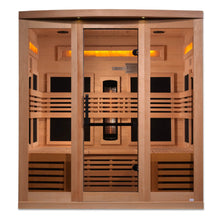
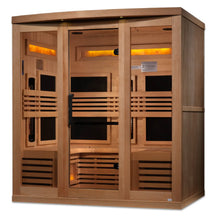 Up to 4% offVendor:Golden Designs
Golden Designs GDI-8260-01 Full Spectrum Sauna
18 in stockSale price $7,499.00 USD Regular price$7,850.00 USD -
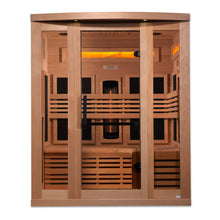
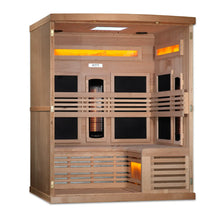 Up to 49% offVendor:Golden Designs
Golden Designs GDI-8230-01 Full Spectrum Sauna
Only 7 leftSale price $5,499.00 USD Regular price$10,776.00 USD -
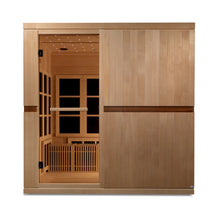
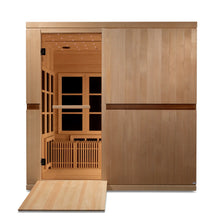 Up to 22% offVendor:Golden Designs
Golden Designs Catalonia 8 Person Far Infrared Sauna
Only 3 leftSale price $9,999.00 USD Regular price$12,802.00 USD -
 Up to 45% off
-
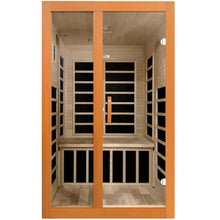
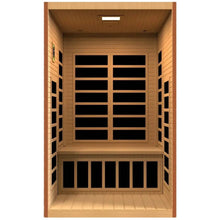 Up to 44% offVendor:Dynamic
Dynamic Santiago 2 Person Full Spectrum Infrared Sauna
22 in stockSale price $3,299.00 USD Regular price$5,844.00 USD -
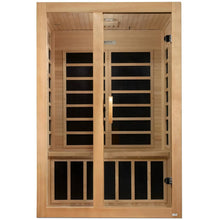
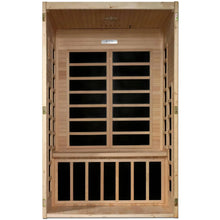 Up to 30% offVendor:Dynamic
Dynamic Santiago 2 Person Far Infrared Sauna
52 in stockSale price From $2,299.00 USD Regular price$3,156.00 USD -
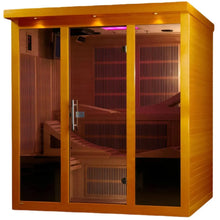
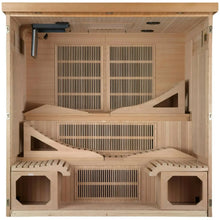 Up to 4% offVendor:Dynamic
Dynamic Monaco 6 Person Far Infrared Sauna
Only 10 leftSale price $6,499.00 USD Regular price$6,765.00 USD -

 Up to 55% offVendor:Dynamic
Dynamic Lugano 3 Person Far Infrared Sauna
27 in stockSale price From $2,699.00 USD Regular price$5,999.00 USD -

 Up to 43% offVendor:Dynamic
Dynamic Gracia 1-2 Person Far Infrared Sauna
30 in stockSale price From $1,999.00 USD Regular price$3,499.00 USD -
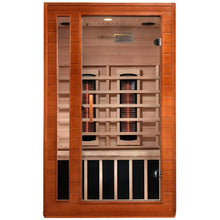
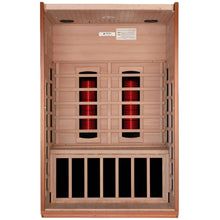 Up to 11% offVendor:Dynamic
Dynamic Cordoba 2 Person Full Spectrum Infrared Sauna
12 in stockSale price $3,299.00 USD Regular price$3,703.00 USD -
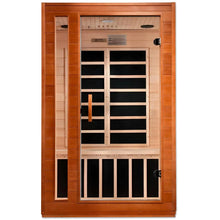
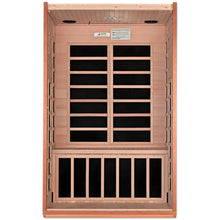 Up to 49% offVendor:Dynamic
Dynamic Cordoba 2 Person Far Infrared Sauna
48 in stockSale price From $2,299.00 USD Regular price$2,950.00 USD -
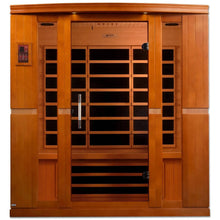
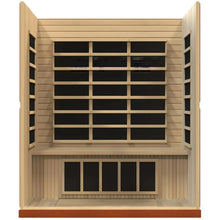 Up to 43% offVendor:Dynamic
Dynamic Bergamo 4 Person Far Infrared Sauna
16 in stockSale price From $3,299.00 USD Regular price$5,814.00 USD -
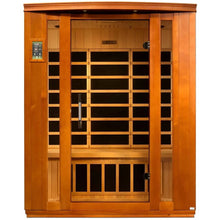
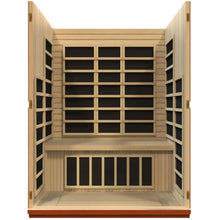 Up to 38% offVendor:Dynamic
Dynamic Bellagio 3 Person Far Infrared Sauna
26 in stockSale price $2,699.00 USD Regular price$4,330.00 USD -
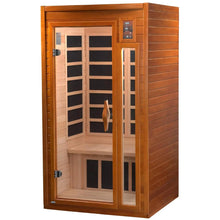
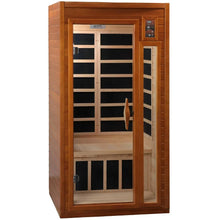 Up to 48% offVendor:Dynamic
Dynamic Barcelona 1-2 Person Far Infrared Sauna
37 in stockSale price From $1,999.00 USD Regular price$2,331.00 USD -
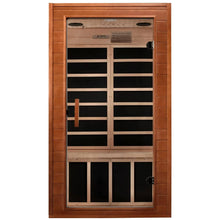
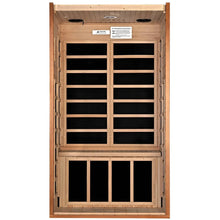 Top SellerUp to 31% offVendor:Dynamic
Dynamic Avila 1-2 Person Far Infrared Sauna
34 in stockSale price From $1,999.00 USD Regular price$2,901.00 USD


Compare popular Infrared Saunas
Key specs side by side for our most popular models.
| Specs | ||||||
|---|---|---|---|---|---|---|
| Style | Portable dome | Cabin (1–2 person) | Cabin (2 person) | Cabin (2 person) | Cabin (3 person) | Cabin (4 person) |
| Best For | Lay-down IR therapy | Small space / solo user | Couple / entry commercial | Couple / daily use | Commercial + yoga use | Family of four |
| Capacity | 1 person | 1–2 person | 2 person | 2 person | 3 person | 4 person |
| Infrared Type | Far Infrared | Far Infrared (Low EMF) | Far Infrared (Low / Near Zero) | Far Infrared (Low / Ultra Low) | Ultra Full Spectrum | Far Infrared (Low EMF) |
| Heating Elements | Carbon heating wire (3 zones) | 7 carbon emitters | 6 carbon panels | 7 carbon panels | 10 full spectrum heaters | 8 PureTech panels |
| EMF Level | 0.06 mG avg | 6–10 mG (Low) | Under 2 mG (Near Zero) | 3–10 mG | Low EMF | 6–10 mG (Low) |
| Temperature Range | 77–194°F | 118–140°F | 118–140°F | 118–140°F | Up to 140°F | 118–140°F |
| Exterior Dimensions W × D × H | 32 × 18 × 72 in | 39 × 36 × 73 in | 48 × 42 × 75 in | 40 × 46 × 75 in | 75 × 48 × 82 in | 70 × 42 × 75 in |
| Wood Type | Synthetic dome | Natural Hemlock | Canadian Hemlock | Canadian Hemlock | Canadian Hemlock | Natural Hemlock |
| Chromotherapy + Red Light | — | ✓ | ✓ | ✓ | — | ✓ |
| Bluetooth Audio | — | ✓ | ✓ | ✓ | ✓ | ✓ |
| Electrical | 110V plug-and-play | 120V / 15A | 120V / 15A | 120V / 15A | 120V / 30A | 120V / 20A |
| Warranty | Manufacturer | 5 year | 5 year | 5 year | 3 year | 5 year |


← Scroll to compare more →
Frequently asked questions
How does an infrared sauna work?
Infrared saunas use infrared panels (heating elements that emit invisible infrared wavelengths) to heat your body directly instead of heating the surrounding air. The air stays much cooler than in a traditional sauna — typically 120–150°F — while your skin and deeper tissues warm up. This is why infrared feels more tolerable for longer sessions (30–45 minutes) than traditional saunas.
Near, mid, or far infrared — what's the difference?
Far infrared (FIR) is the most common — penetrates skin deeply, produces the strongest heating sensation, and is what most home saunas use. Mid infrared (MIR) targets deeper tissues for circulation effects. Near infrared (NIR) penetrates shallowly and is associated with skin and cellular benefits (similar mechanism to red light therapy). Full-spectrum saunas include all three.
Is infrared as effective as traditional sauna?
The research here is mixed. Traditional saunas have much stronger cardiovascular research (decades of Finnish population studies). Infrared saunas show promising but less-established benefits — mostly smaller studies on recovery, blood pressure, and chronic pain. For pure cardiovascular benefits, traditional is better supported. For convenience, accessibility, and tolerability, infrared wins.
Do I need a dedicated electrical circuit?
Most 1–2 person infrared saunas plug into a standard 120V 15–20 amp household outlet — huge advantage over traditional saunas. Larger 3–4 person units sometimes require a dedicated 20-amp circuit or 240V wiring. Always check your product's exact electrical spec and make sure your circuit isn't shared with other heavy loads.
What about EMF concerns with infrared saunas?
A valid concern — some older infrared saunas had high electromagnetic field emissions from heating elements. Modern quality saunas use low-EMF heaters (under 3 milliGauss at the body's position). If EMF exposure matters to you, look specifically for "low-EMF" certification in product specs. Budget saunas often skip this — pay the extra for certified low-EMF heaters.
What's the best wood for an infrared sauna?
Canadian hemlock is the most common — stable, knot-free, and doesn't release strong aromas when heated. Red cedar has a classic sauna smell and natural antimicrobial properties but can irritate some allergies. Basswood is hypoallergenic — the best choice if you have sensitive skin or allergies. All three are durable for decades of use.
Not sure which one fits your space?
Talk to our equipment specialists about fit, power needs and delivery before you buy, or plan it yourself with our free tools and calculators.